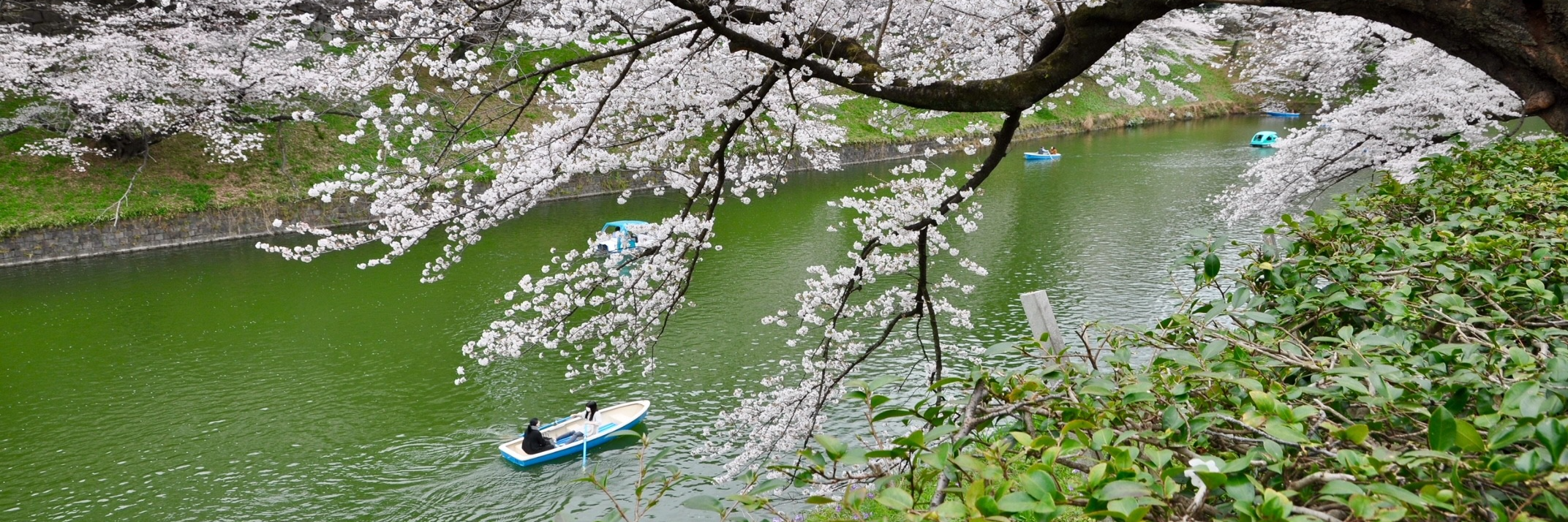
Best Time to Visit Japan
When is the best time to visit Japan from Ireland? I lived in Tokyo and travelled around Japan for four years, so it's a topic I can confidently speak about. Read on to learn about the best months for cherry blossoms, skiing, autumn colours, family holidays, festivals and more.
You'll find plenty of articles telling you that you have to visit during cherry blossom season. And while it’s undeniably beautiful if you time it right, it’s also amongst one of the most popular times to travel.
So, what if you want to avoid the crowds? When is the best time to go skiing? Is summer a good option if you're travelling with children during the Irish school holidays? And what about Japan's rainy season?
Japan is a long country with significant differences in climate from north to south, and each season offers something different. The best time for your trip will depend on what you're interested in - whether that's seeing the cherry blossoms or autumn colours, skiing, festivals, beaches, hiking or simply exploring in comfortable weather.
Here is my season-by-season guide to the best time to visit Japan, based on my experience of living and travelling there.
When is the best time to visit Japan?
If you just want the quick answer:
- Cherry blossoms: Generally late March to early April, although dates vary significantly by region and year
- A great balance of weather and crowds: Mid-May
- Travelling with children during summer holidays: June or early July, if your dates allow
- Japanese festivals and fireworks: July and August
- Skiing: January and February are generally the best months to target, depending on the resort
- Autumn colours: October and November, depending on where you're travelling
- Climbing Mount Fuji: The official climbing season is generally July to early September
- Quieter periods: January and February outside the New Year period, and June
- Periods to plan carefully: New Year, Golden Week and Obon in August
Winter in Japan: December to February
Winter can be a fantastic time to visit Japan, particularly if you want snow, skiing, winter scenery, hot springs or clear views of Mount Fuji.
Japan's winter climate varies considerably by region. Tokyo generally has cold, dry winters with relatively little snow, while the mountains of central Japan and northern areas receive much more.
Head north to Hokkaido, or into the mountains of Nagano and Niigata, and you'll find a completely winter landscape.
While it isn't quite accurate to think of Japanese winter as simply running from the end of November until the end of February everywhere, December to February is broadly the core winter period for most travellers.
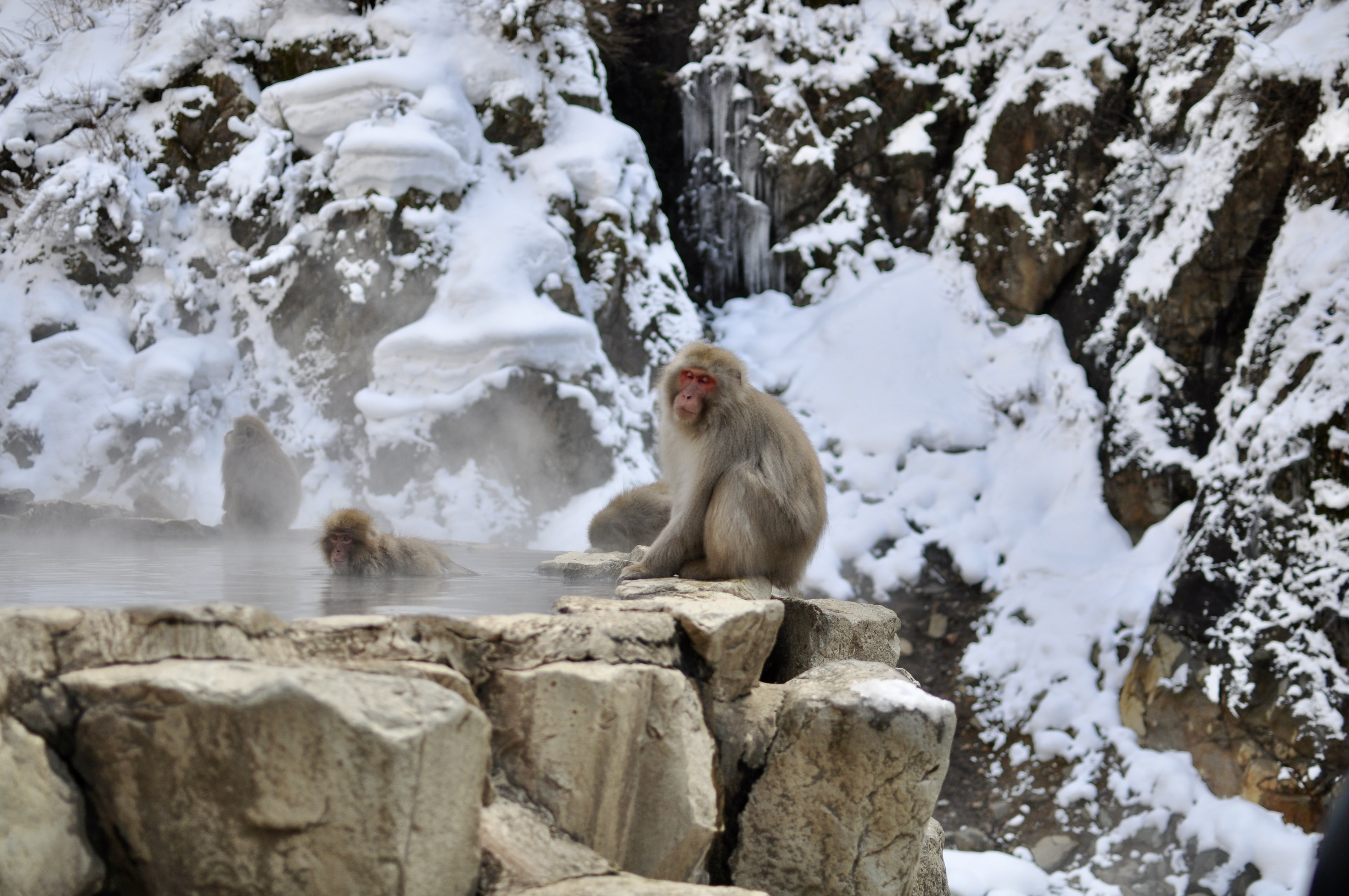
Winter can be one of the best times to see Mount Fuji
If seeing Mount Fuji is high on your Japan bucket list, winter can be a particularly good time to visit.
The cooler, generally clearer conditions can provide some excellent views of Fuji, complete with its famous snow-covered summit.
There is never a guarantee, but winter can give you a better chance of seeing the mountain clearly than the more humid summer months.
Just remember that seeing Mount Fuji and climbing Mount Fuji are in opposite seasons.
December in Japan: winter illuminations and Christmas atmosphere
From November into December, cities across Japan begin putting on spectacular winter illuminations.
You won't experience Christmas in quite the same way as you would in Ireland, but Japanese cities embrace the visual side of the season with impressive lights, decorations and Christmas-themed events.
Be careful when travelling around New Year
New Year is one of the most important holiday periods in Japan and is very different from a normal week of travelling.
The period around the end of December and beginning of January is a major domestic travel period. Trains and accommodation can become very busy, while many restaurants, shops and attractions close or operate reduced hours around the New Year holidays.
That doesn't mean you can't travel at this time - experiencing hatsumode, the traditional first shrine or temple visit of the New Year, can be a memorable part of a Japan trip – but plan ahead and check opening dates carefully, rather than assuming everything will operate normally.
January and February: the best time to ski in Japan?
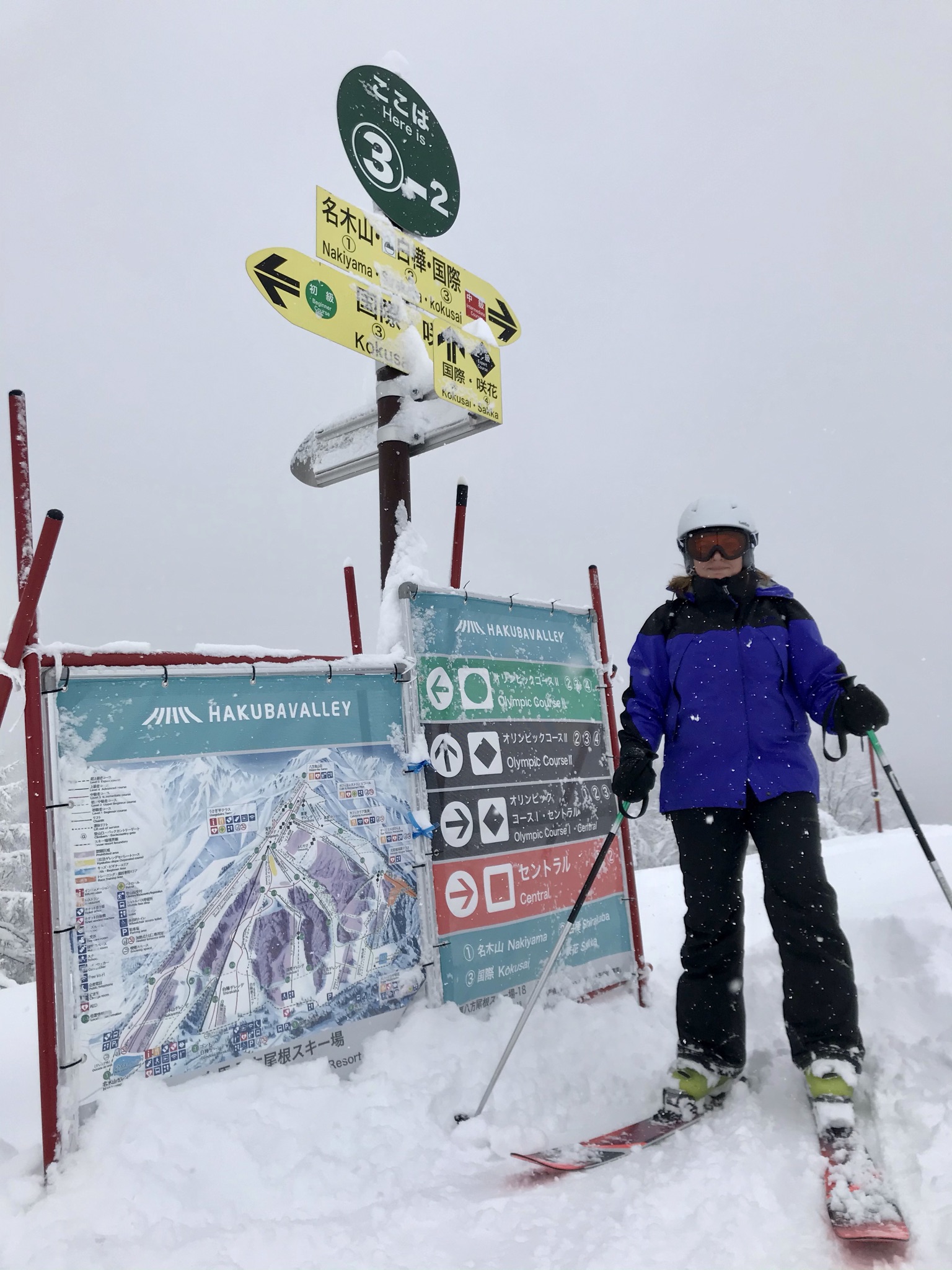
If you're travelling to Japan specifically to ski, January and February are generally the months I would look at first.
Japan has world-famous ski destinations across Hokkaido and Honshu, including resorts in:
- Hokkaido
- Nagano
- Niigata
- Tohoku
Hokkaido is particularly famous for its light, dry powder snow (“Japow”) while Nagano and Niigata offer excellent options that can be relatively accessible from Tokyo.
However, snow conditions vary from year to year and between resorts. If skiing is the main reason for your trip, don't simply choose a resort because you're travelling in January.
Check the resort's historical snowfall, altitude, typical opening dates and recent snow conditions before booking. It’s also important to note that many resorts are not generally geared towards foreign travellers, so facilities may be dated, English signage may be limited, etc.
For many resorts, the season starts around December, and reliability generally improves as winter progresses. By March, conditions can become more variable (like in Europe), particularly at lower elevations.
February: don't overlook Japan's plum blossoms
By February, the first signs of spring begin to appear in some parts of Japan.
One of my favourite alternatives to cherry blossoms is ume – plum blossom season.
Plum blossoms are beautiful and can be surprisingly impressive, but they don't attract anything like the same international attention as sakura.
If you'd love to experience Japanese blossom without planning your entire trip around peak cherry blossom season, February can therefore be a worthwhile option.
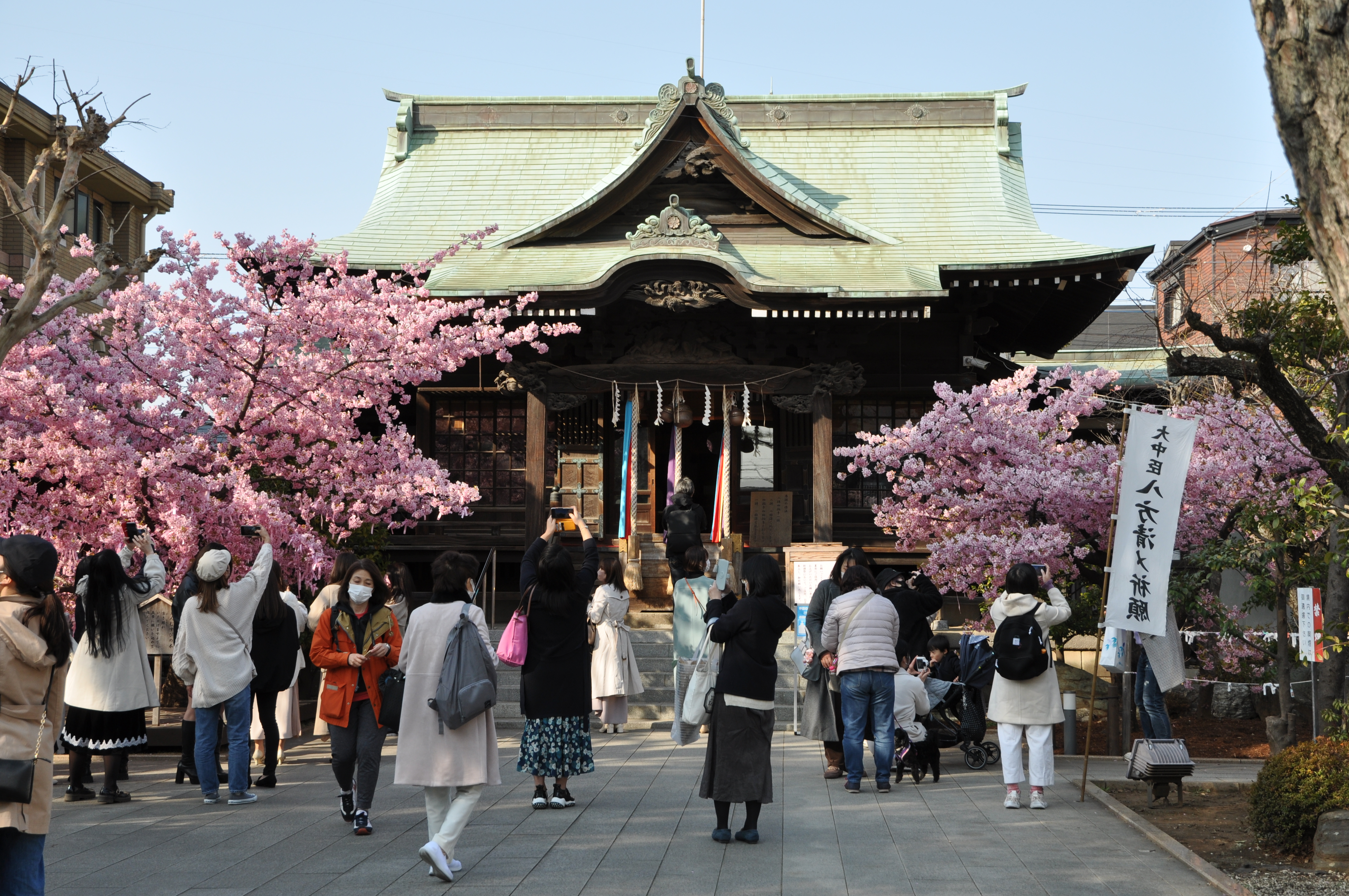
Spring in Japan: March to May
Spring is probably the season most closely associated with Japan.
Cherry blossoms, mild temperatures, and seasonal flower festivals make it easy to understand why. But spring is also one of the busiest times to visit Japan.
Cherry blossom dates vary considerably depending on where you are travelling. The blossoms generally progress from southern Japan towards the north, with the season potentially extending from the latter part of March into early May in different parts of the country.
Planning a trip around cherry blossom season months in advance, always carries some risk.
Cherry blossom season: is it worth the crowds?
Absolutely - if seeing sakura is one of your travel dreams.
Popular areas in Tokyo, Kyoto and other major destinations can become extremely busy during peak blossom periods. Accommodation can also be in particularly high demand.
If cherry blossoms are your priority, I'd recommend:
- Booking accommodation well in advance.
- Being flexible about where you see the blossoms.
- Considering destinations outside the most famous tourist areas.
- Allowing some flexibility in your itinerary.
- Checking forecasts closer to the time rather than relying entirely on predictions made many months beforehand.
And remember: Japan's cherry blossom season is not one nationwide event happening on one date.
The further north you travel, the later the blossoms generally arrive.
Travelling from Ireland during Easter?
This is particularly relevant if you're planning a family holiday.
Irish school Easter holidays can overlap with Japan's spring travel period, and you may also encounter Japanese school holidays and cherry blossom crowds.
So, you can potentially have:
Irish school holidays + Japanese school holidays + cherry blossom season.
That's not a reason to avoid Japan - it just means you should book early and expect the most famous tourist areas to be busy. I'd also consider building some less-visited destinations into your itinerary rather than spending your entire trip in the busiest parts.
Golden Week: one of the busiest times to visit Japan
If you're considering travelling from late April into early May, check the dates of Golden Week before booking.
Golden Week is a collection of Japanese public holidays concentrated around the end of April and beginning of May.
It’s one of the country's major domestic travel periods - trains, hotels and popular attractions can become exceptionally busy. If you're travelling around this period, book well in advance.
There is also potential for increased demand on flights out of Japan as Japanese travellers take advantage of the holidays.
Always check the dates for the particular year you're travelling.
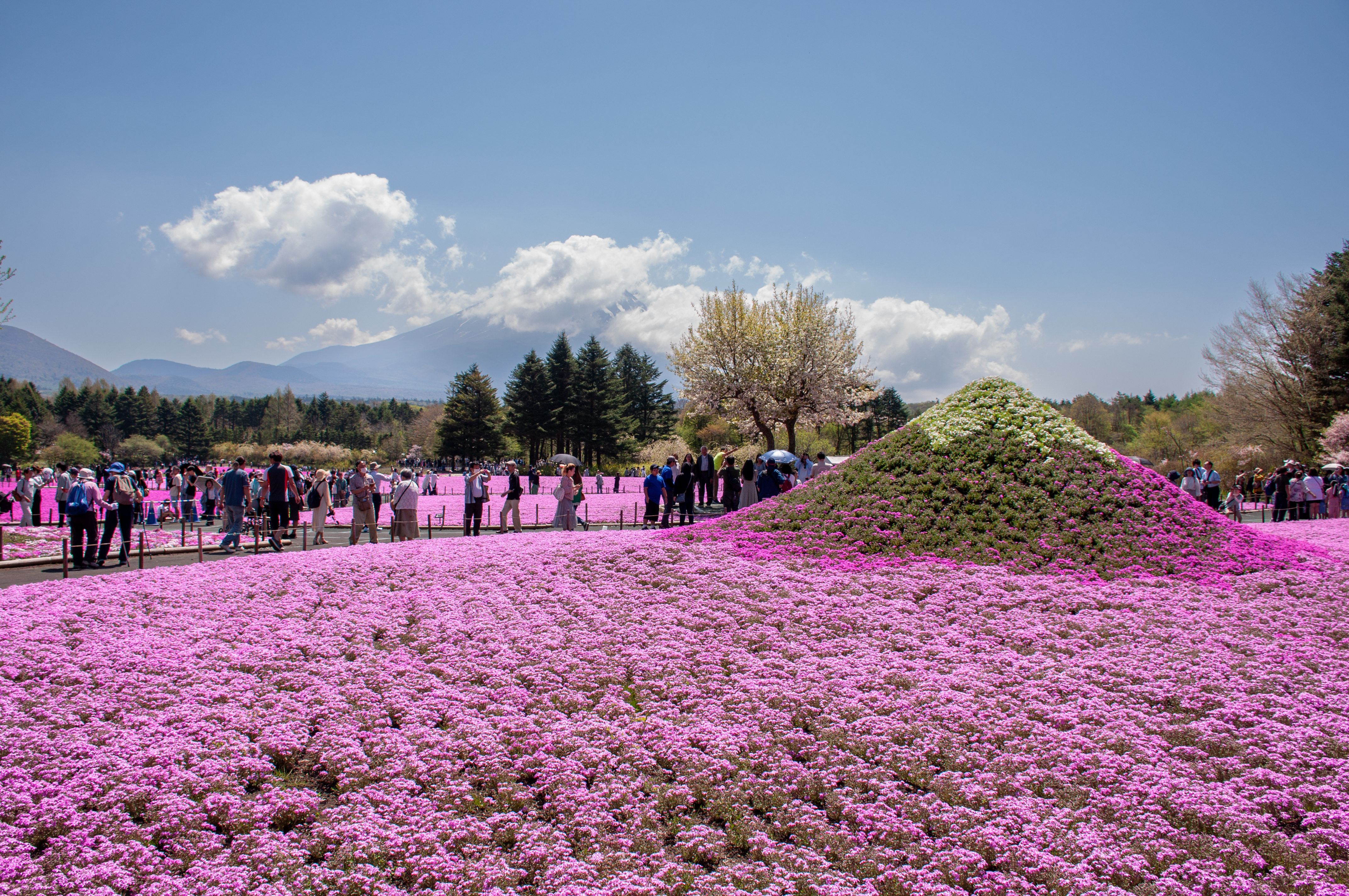
Mid-May: one of my favourite times to visit Japan
If you have flexibility with your travel dates, mid-May is one of my favourite times to visit Japan.
Golden Week is over, the cherry blossom crowds have mostly moved on, temperatures are becoming warmer and you can enjoy beautiful spring scenery without the same level of peak-season pressure.
It's also before the full heat and humidity of summer arrive.
For first-time visitors, mid-May can offer a particularly good balance of:
- Comfortable sightseeing weather
- Spring scenery
- Longer daylight
- Fewer crowds than peak cherry blossom season
- No need to deal with summer humidity
It's one of those periods that doesn't necessarily get as much attention online as cherry blossom season, which is why I recommend it.
Summer in Japan: June to August
Summer is where the Japan weather conversation becomes more complicated.
Yes, absolutely travel to Japan in summer - but you need to be prepared for heat and humidity. Spending hours walking outside between temples, stations and attractions, will need to be balanced with time spent indoors.
June: rainy season, but don't automatically rule it out
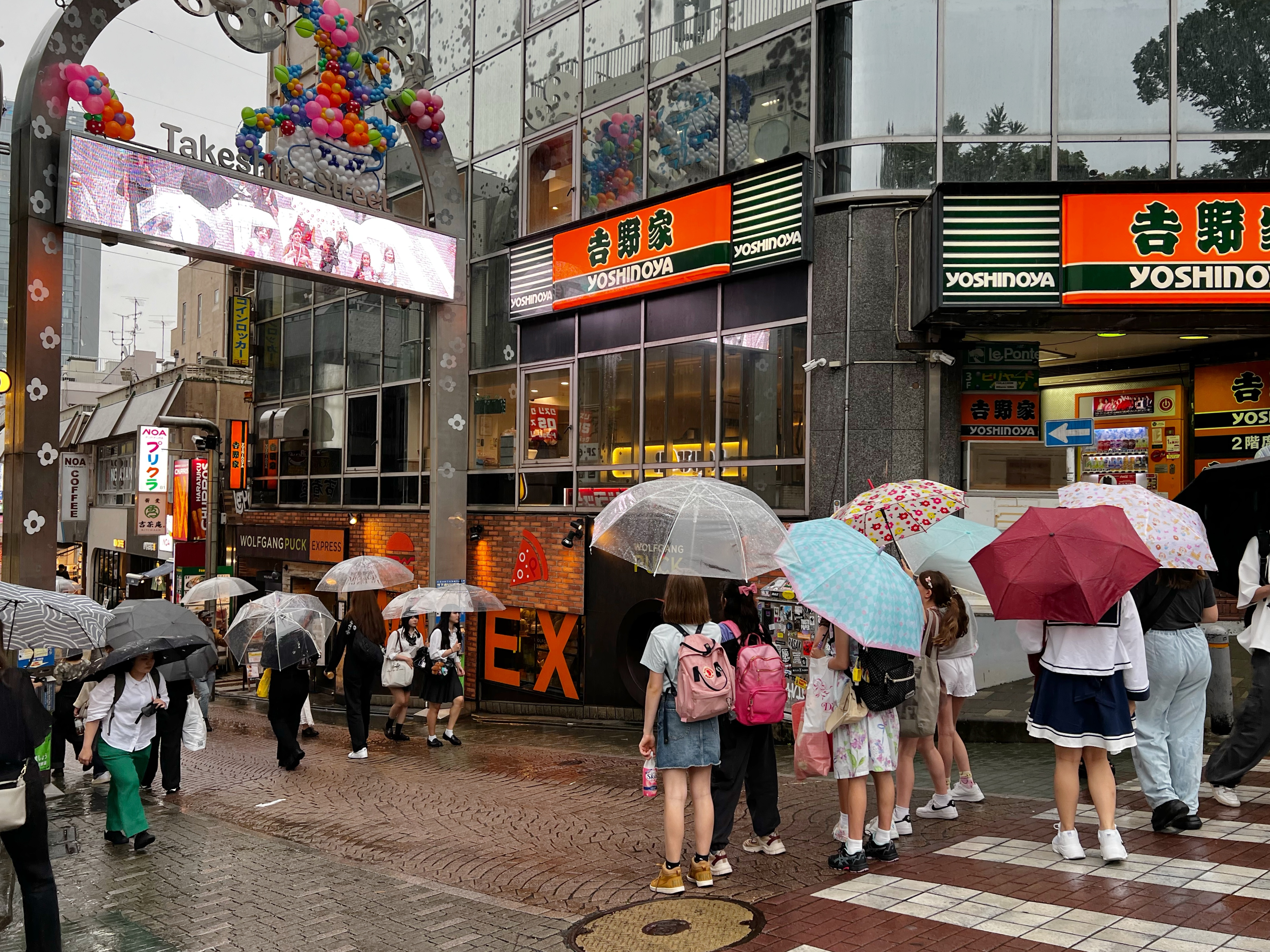
June is associated with Japan's rainy season.
This doesn't necessarily mean that it rains constantly for your entire trip. Conditions vary depending on the region and the year, but you should expect a greater chance of rain and humid weather.
The advantage is that June can be considerably quieter than cherry blossom and autumn foliage season.
July and August: festivals, fireworks and serious heat
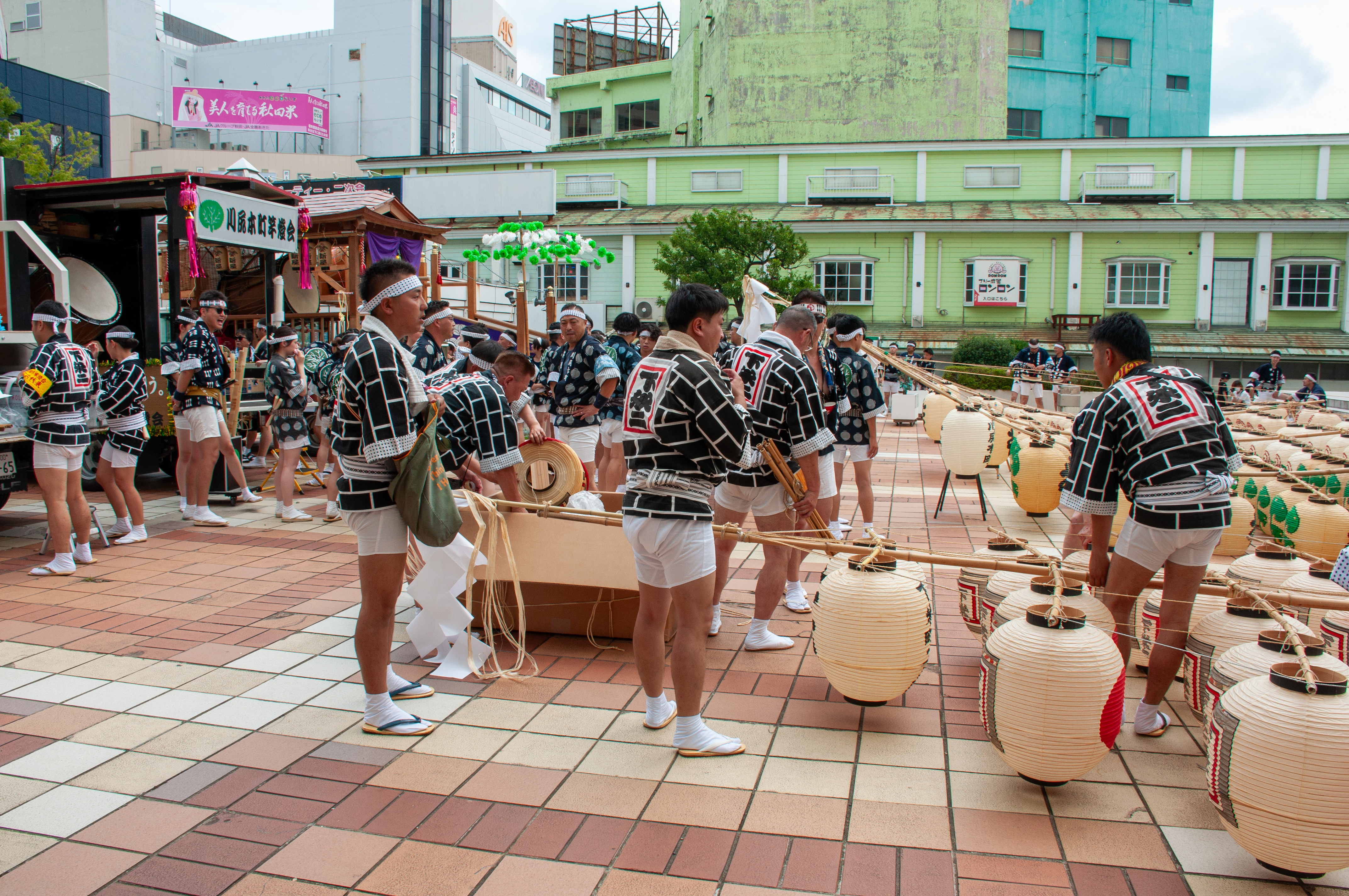
July and August are wonderful months if experiencing Japanese festivals is high on your list.
This is matsuri season, with festivals, fireworks and local celebrations taking place across the country.
Some of the most memorable experiences can be found outside the standard “Golden Route” itinerary.
A summer trip can be a great opportunity to explore places such as Aomori, Akita, Sendai and other regional destinations, experiencing a side of Japan that many first-time visitors miss.
However, the downside is the hot and humid weather, particularly in central and southern Japan.
August also brings Obon, traditionally around the middle of the month. This is an important period when many Japanese people return to their family homes, and transport and accommodation can become particularly busy. Small restaurants and shops, particularly in more rural Japan, may close.
If you're travelling in August, check the Obon dates and plan ahead.
Is Japan a good destination for families during the Irish summer holidays?
If the Irish school calendar means summer is your only realistic option, I would not rule Japan out.
If you have some flexibility, I would choose June or early July over August, particularly if you’re more interested in sightseeing than festivals.
But you need to plan around the heat.
With children, I recommend:
- Starting sightseeing early in the morning.
- Avoiding a packed itinerary.
- Scheduling indoor attractions during the hottest part of the day.
- Taking regular breaks.
- Building in pool or hotel time where appropriate (however, check opening dates and times)
- Avoiding the temptation to see absolutely everything.
Japan is a fantastic family destination, but a slower itinerary (especially in summer) is advisable.
What about Okinawa in summer?
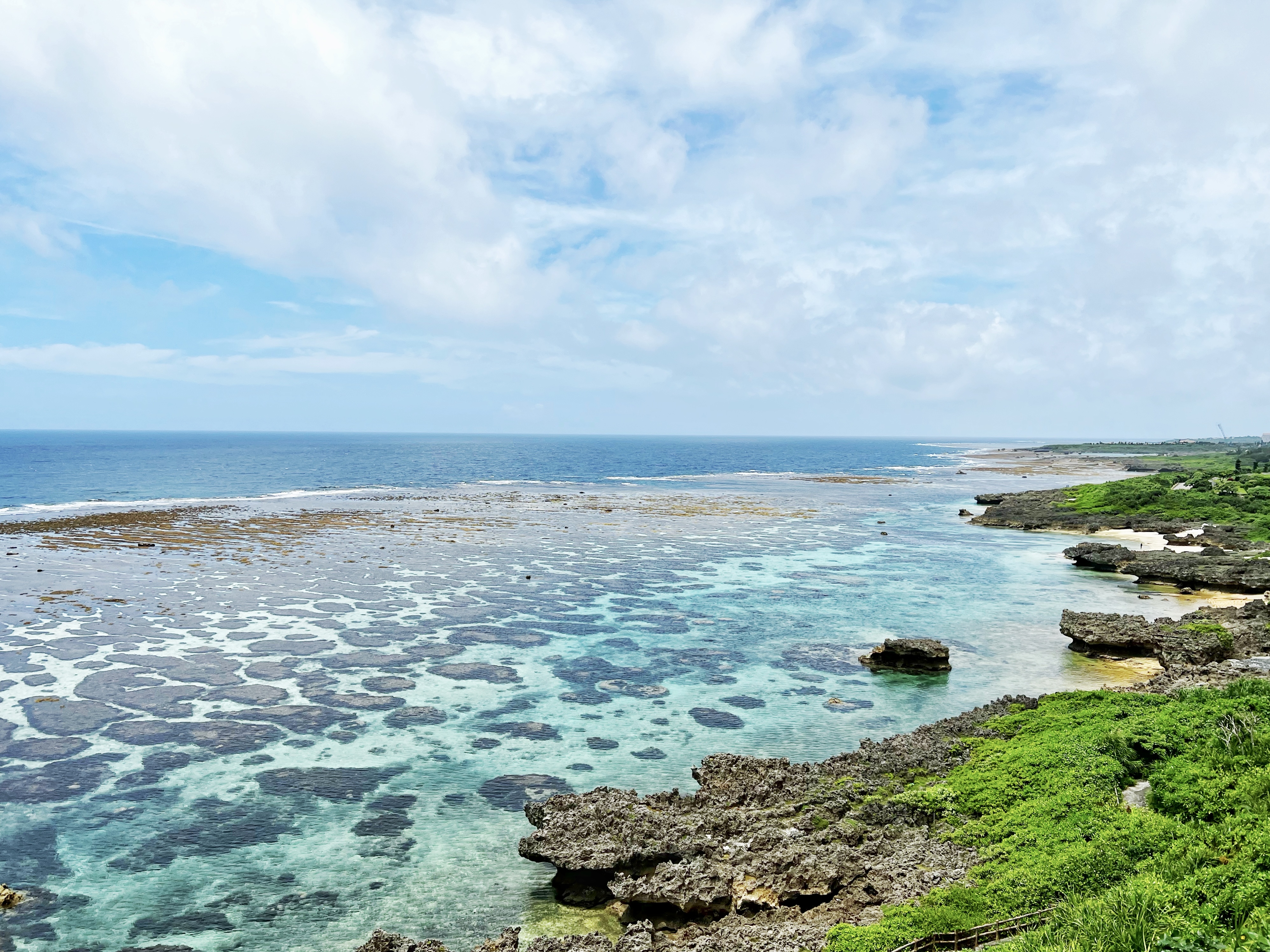
Okinawa is quite different from mainland Japan. With its subtropical climate, beautiful beaches and longer warm-weather season, it can be tempting to add Okinawa to a summer Japan itinerary.
However, summer also brings the possibility of typhoons and unsettled weather, particularly later in the season.
If you're planning a beach holiday in Okinawa, check the seasonal weather carefully and allow some flexibility.
One practical point people often don't realise: Japanese outdoor swimming pools don't necessarily operate throughout the entire warm season, so check the opening dates if a hotel pool is important to your family.
The beach itself, of course, doesn't close - so if you're happy swimming in the sea, you have more flexibility.
When is the best time to climb Mount Fuji?
If climbing Mount Fuji is on your Japan bucket list, timing matters as Mount Fuji is not a year-round hiking destination.
The official climbing season generally runs through July and August into early September, with exact dates varying by trail and year. Check the official information for the year you are travelling.
Outside the official season, climbing can be extremely dangerous because mountain facilities and safety measures are not operating normally.
Autumn in Japan: October and November
If I were to choose the best season for a first-time trip based purely on weather, scenery and overall travel experience, autumn would be very hard to beat.
October and November can offer:
- Comfortable sightseeing temperatures
- Beautiful autumn foliage
- Seasonal food
- Less humidity than summer
- Spectacular mountain scenery
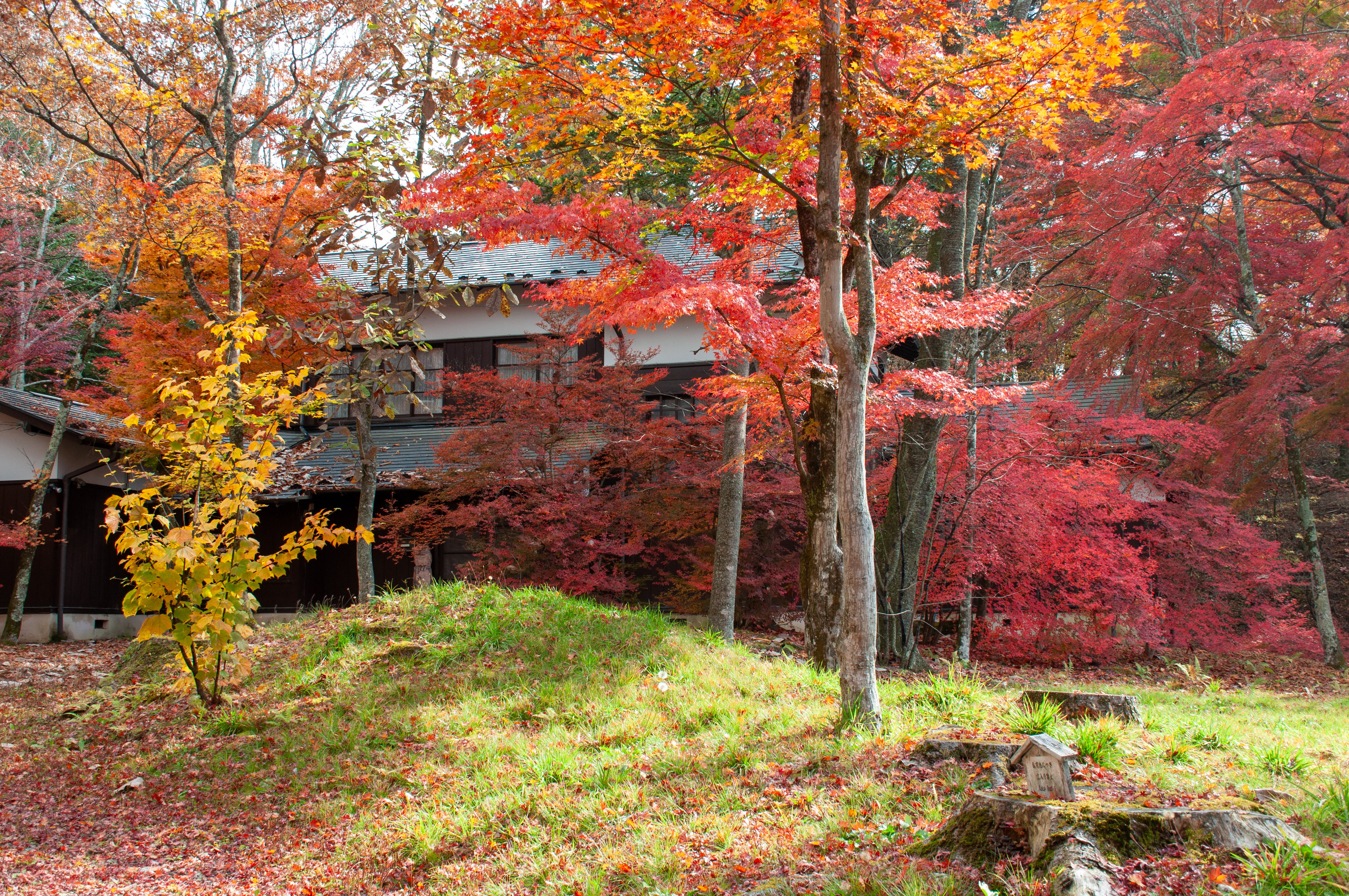
Japan's koyo (autumn foliage), can be just as beautiful as cherry blossom season.
When is the best time to see autumn colours in Japan?
There isn't one nationwide autumn foliage date. Japan stretches a long way from north to south, so autumn arrives at different times depending on your location and altitude.
Generally, October is a good month to look at for northern Japan and higher-altitude areas, while November is often excellent further south, including many of the classic tourist destinations.
This is why an itinerary that includes both northern and southern destinations can give you quite different seasonal experiences. And just like cherry blossoms, peak autumn foliage attracts visitors.
Popular locations around Kyoto, Nikko, Hakone and Mount Fuji can become very busy, particularly at weekends and around the most famous viewpoints.
If autumn colours are important to you, plan ahead and consider visiting popular sites early in the morning.
Don't forget that Japan's weather varies by region
One of the biggest mistakes is assuming Japan has one climate - it doesn't.
Japan stretches from Hokkaido in the north to subtropical Okinawa in the south, with mountains and different regional climates in between. This is particularly important if you're combining several different areas in your holiday.
This is where getting the itinerary right can make a huge difference.
The best time to visit Japan by type of holiday
Still not sure when you should go?
Here's how I'd break it down.
For cherry blossoms:
Late March to early April
One of Japan's most magical experiences, but also one of its busiest.
For autumn colours:
October to November
One of the best combinations of scenery and comfortable sightseeing weather.
For skiing:
January and February
Good months to target for many resorts, although individual snow conditions and resort altitude matter.
For a family holiday:
Mid-May, June or early July, if your dates allow.
If you're restricted to the Irish summer holidays, Japan is still a fantastic choice - just prepare for the heat and slow down your itinerary.
For climbing Mount Fuji
July to early September
Only during the official climbing season, with exact dates depending on the trail and year.
For Japanese festivals
July and August
A fantastic time for matsuri and fireworks, but expect heat, humidity and busy domestic travel around Obon.
For comfortable sightseeing
Mid-May, October or November
These are my personal favourites.
For potentially quieter travel
January–February outside New Year, or June
January and February can be cold, while June comes with a greater chance of rain.
When is the cheapest time to visit Japan from Ireland?
There isn't one guaranteed “cheapest month” because flight and hotel prices depend on demand, school holidays, airline schedules, accommodation availability and how far in advance you book.
If your dates are flexible, I would compare several departure dates rather than assuming that travelling in a particular month will automatically be cheaper.
So, when should you visit Japan?
If you're flexible with your dates, my personal choices would be:
Mid-May - a fantastic balance of weather, scenery and manageable crowds.
October - beautiful weather and the beginning of autumn scenery in many parts of Japan.
November - spectacular autumn colours, particularly further south, although famous locations can be busy.
If you want to ski, go in January or February.
If cherry blossoms are a lifelong dream, go in spring and embrace the crowds.
If you're travelling with children during the Irish summer holidays, don't rule Japan out - just plan around the heat.
If you want festivals, July and August can be fantastic.
And if you want comfortable sightseeing and beautiful scenery without specifically chasing cherry blossoms, mid-May, October and November are difficult to beat.
The best time to visit Japan is the time that best suits the trip you want to have.
Planning Japan from Ireland?
Planning a Japan holiday can feel overwhelming, particularly when you're trying to work out the best season, flights, hotels, transport and how much you can realistically fit into your trip.
As a Dublin-based travel advisor, I can help you plan a Japan itinerary around the things that matter most to you - whether that's cherry blossoms, autumn colours, skiing, food, culture, a family adventure or simply seeing Japan for the first time without trying to do everything at once.
Want to start planning your Japan holiday? Get in touch and let's work out the best time of year and itinerary for you.
The earlier you start planning, the more choice you'll generally have when it comes to flights, accommodation and the experiences you want to include.