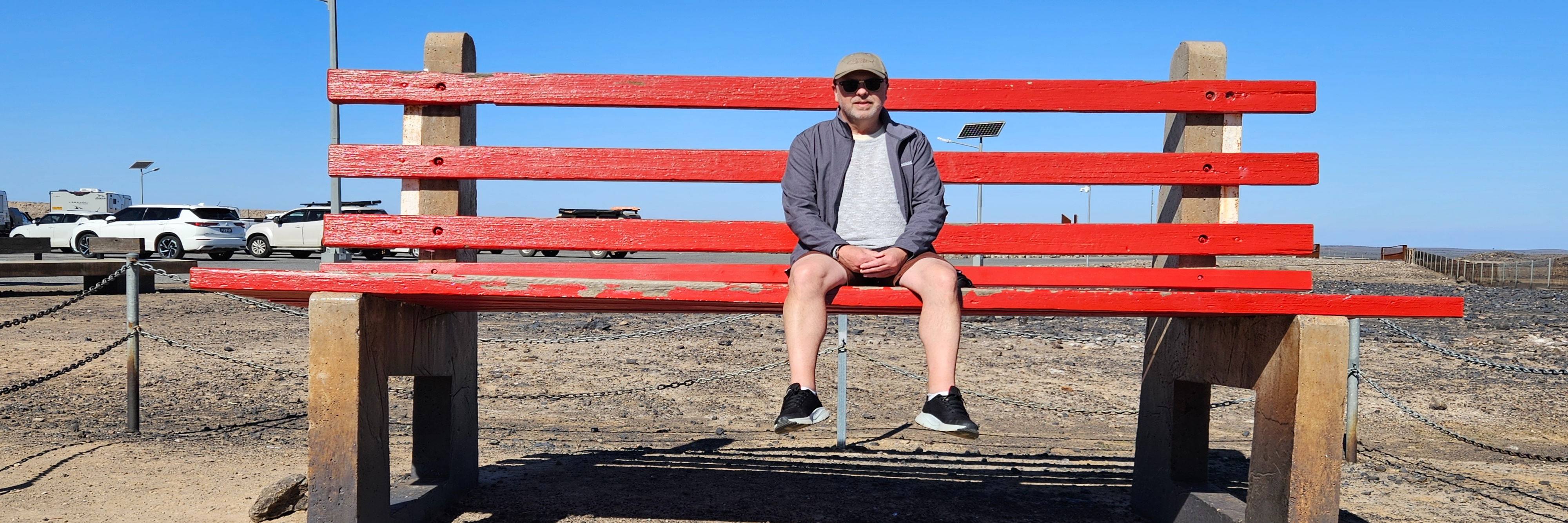
Into the never never
Mining history, cinematic landscapes and unexpected discoveries in Australia’s Silver City.
“We’re going to Australia to see my sister,” announced my wife. I immediately knew this wouldn’t be a standard antipodean itinerary of visits to the Sydney Opera House, Bondi Beach and the Blue Mountains, because my sister-in-law lives in the Outback.
There is something about the Australian Outback that gets under your skin, and there was plenty of time for that to happen on our six-hour drive from Adelaide. The landscape rapidly transitioned from something akin to the green and rolling hills of faraway England into a stony semi-desert, with shrubby grey vegetation and rocky outcrops.
The Outback has often been called the never never, and it has inspired many travellers and writers. Brian Johnston’s Into the Never-Never: Travels in Australia, published in 1993, is one account of travelling through this vast landscape. The phrase also appears in the title of Jeannie Gunn’s 1908 book, We of the Never-Never, about life on a remote cattle station in the Northern Territory.
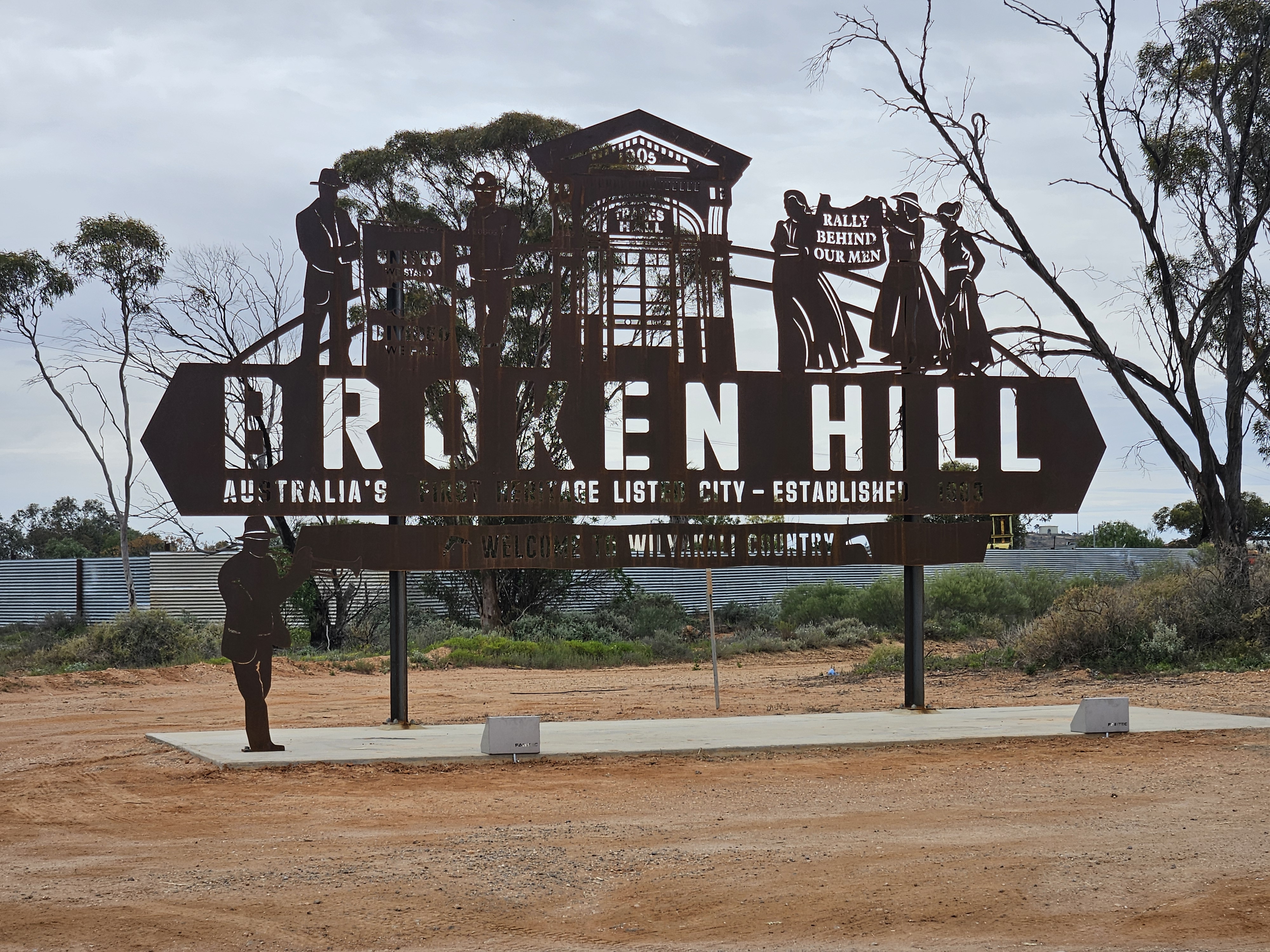
Broken Hill, in the far west of New South Wales, offers its own version of that Outback world. Here you’ll find a small city in the middle of nowhere, with a fascinating history, a thriving artistic community and a film-making heritage that has helped shape the way we think about Australia in popular culture.
The Silver City
Broken Hill’s story began in 1883, when Charles Rasp thought he had discovered tin. Instead, he found an enormous deposit of silver, lead and zinc. Rasp and six other investors, known as the Syndicate of Seven, established the company that eventually became BHP, one of the biggest mining companies in Australia.
The mining boom transformed an isolated settlement into a substantial industrial town. But the mineral wealth extracted from beneath the ground came at a significant human cost.
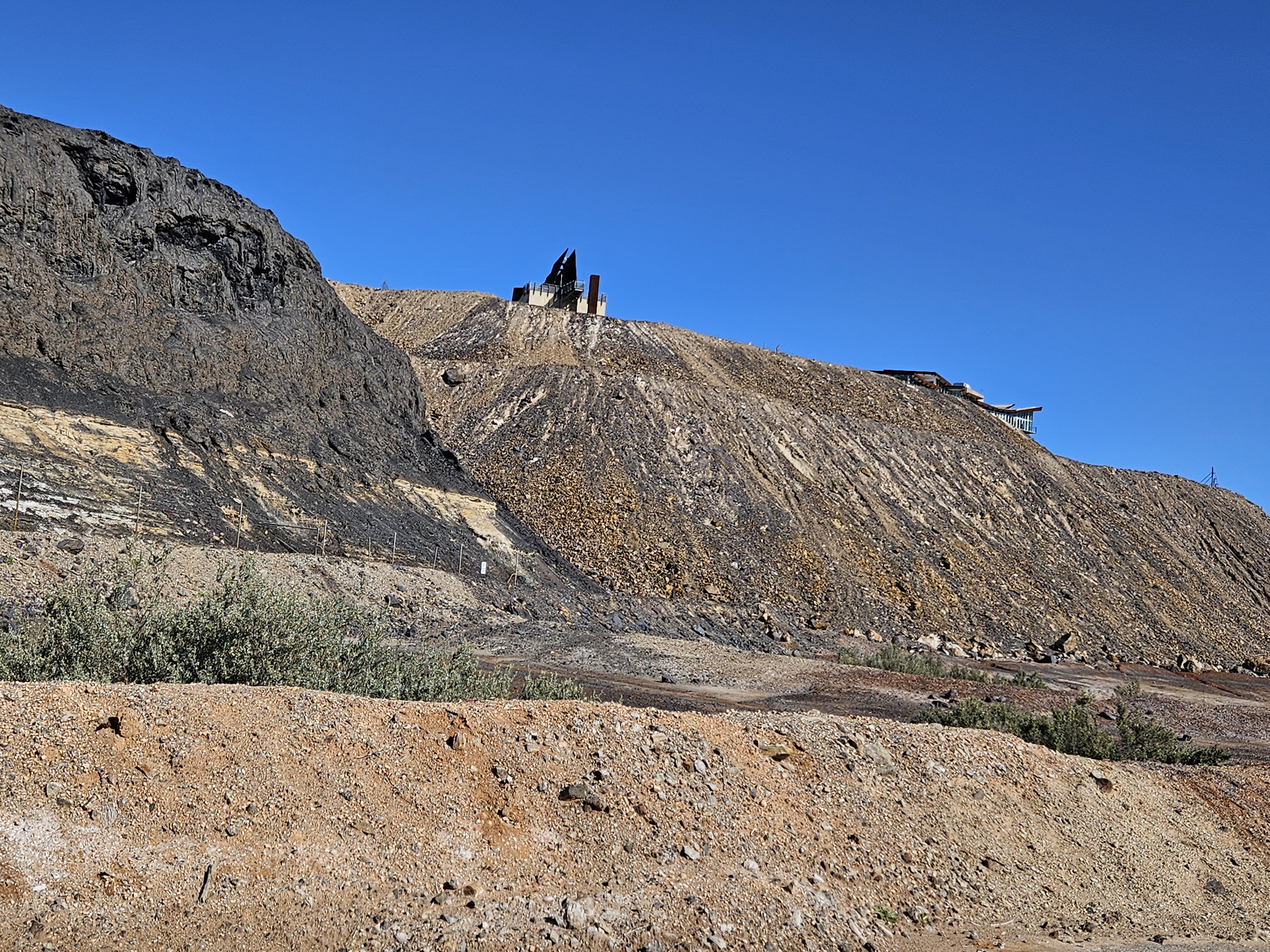
That history is still visible at the Line of Lode, where huge piles of mining waste loom over the city. You can drive to the top for panoramic views across Broken Hill and the surrounding landscape. A few steps from the café is the Miners Memorial, an angular rust-red structure commemorating more than 800 people who lost their lives working in the mines.
Their names are inscribed on glass panels, together with a cause of death. It’s gruesome reading, with crushing by rockfalls and machinery, gassing, suffocation, explosions, falls down shafts and cage accidents featuring repeatedly in the memorial.
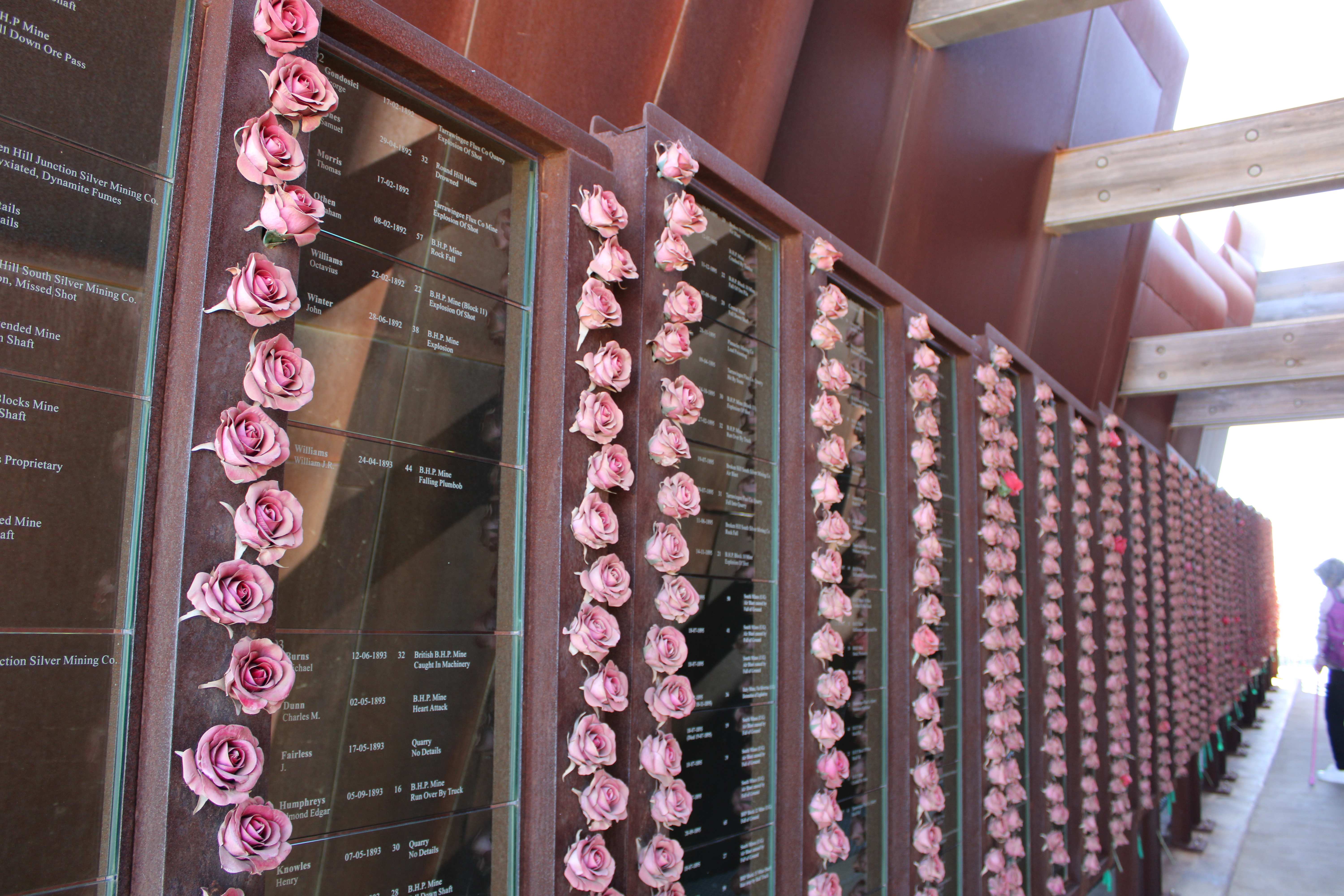
I found the memorial an incredibly moving place. Standing there, looking out across the city, brings home the human cost behind Broken Hill’s mineral wealth, and the relationship between the landscape, the mine and the community that made this remote place their home.
Stories in the streets
In the city centre, Argent Street is a good place to begin exploring Broken Hill’s architectural heritage. Argent is the Latin word for silver, and the street names around the centre reflect the metals, minerals and compounds associated with the mine. Crystal, Cobalt, Sulphide, Bromide, Oxide and Kaolin turn a walk around town into a geology lesson.
The historic buildings tell another part of the story. Trades Hall, completed in 1905, is a symbol of the organised labour and union movement in Australia. The Palace Hotel, with its grand exterior and elaborate interior murals, is one of the city’s best-known landmarks, and featured in The Adventures of Priscilla, Queen of the Desert.
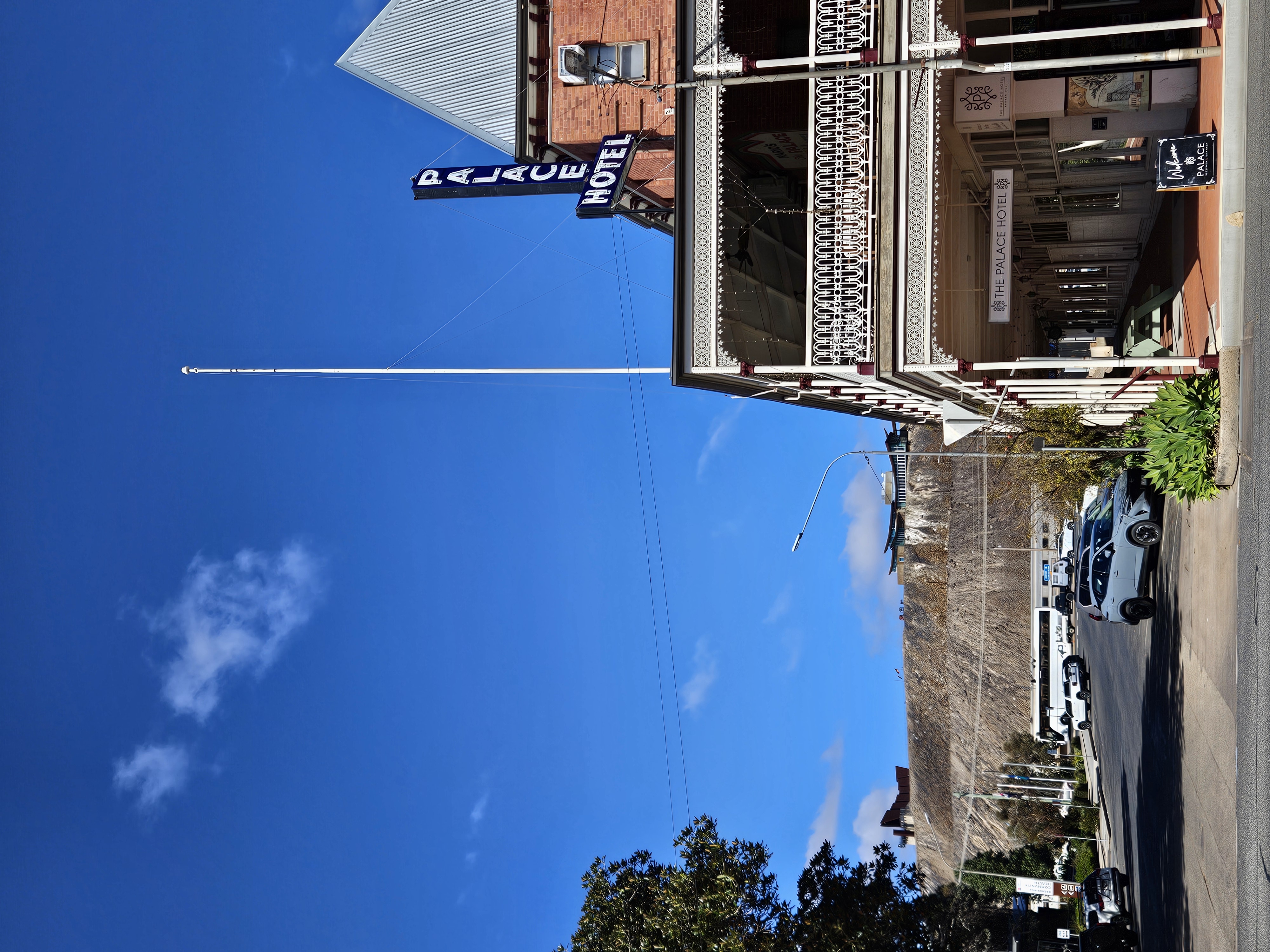
We explored the centre on a guided heritage walk led by a retired miner. His personal perspective brought the buildings and their stories to life in a way that a guidebook could not.
One of the most extraordinary episodes in Broken Hill’s history took place on New Year’s Day 1915. A picnic outing for around 1,200 townspeople, travelling in open ore wagons, turned into a tragedy when two men opened fire beside the railway line. Four people were killed and seven injured. Today, a railway ore carriage marks the site, while a replica of the ice-cream cart associated with the attackers can be found at White Rocks. It is an unusual memorial to a little-known episode in Australia’s wartime history.
Unexpected discoveries
Broken Hill’s museums offer plenty of opportunities to dig deeper into its past. At the Albert Kersten Mining and Minerals Museum, you can explore the geology that made the city famous, including a 42-kilogram silver nugget. The Sulphide Street Railway and Historical Museum brings together railway heritage and other aspects of local life, while the Regional Art Gallery includes works that reflect the landscapes that have inspired generations of artists.
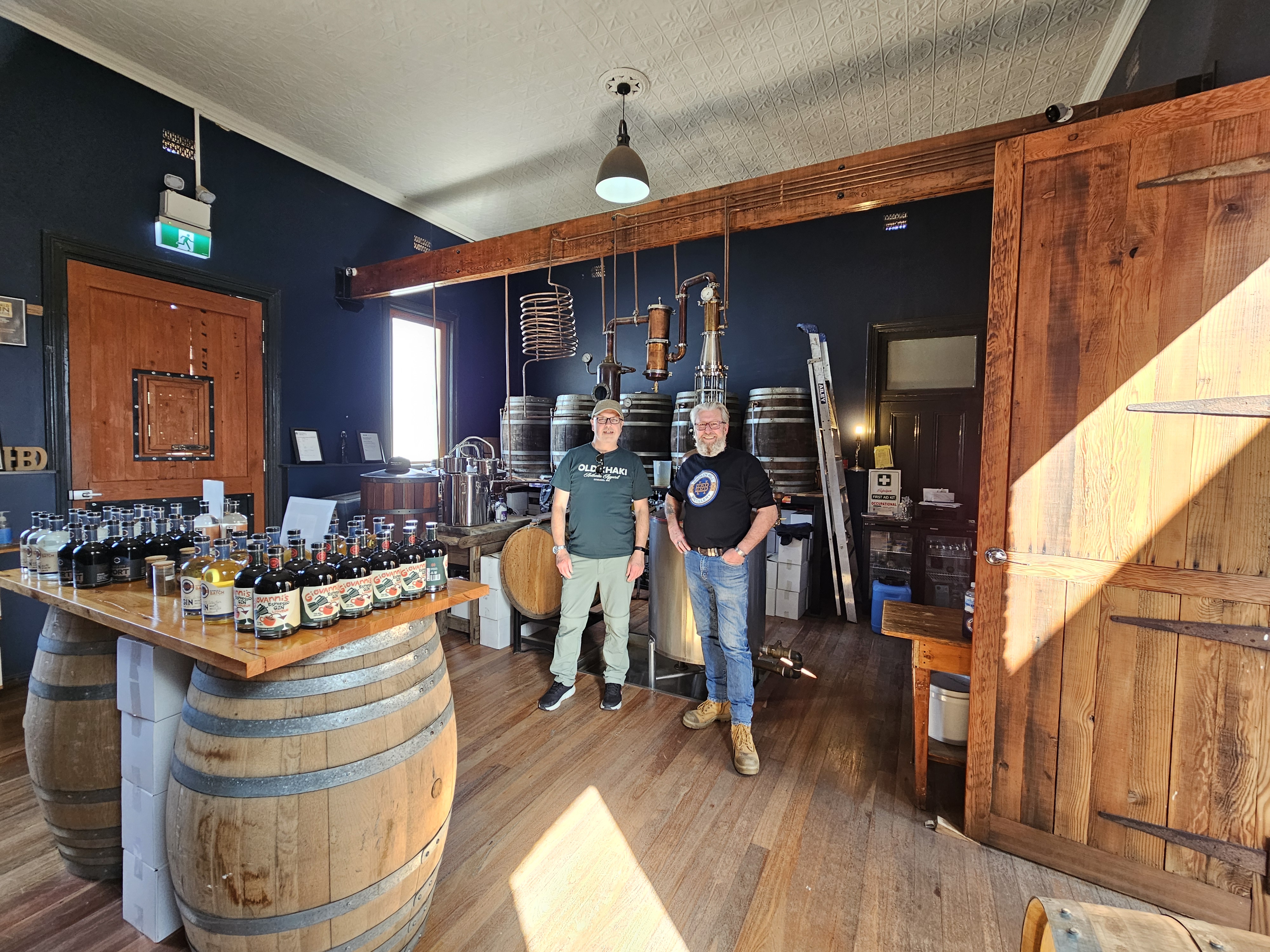
Another unexpected find was the Broken Hill Distillery. We enjoyed a tasting of gins flavoured with local botanicals such as quandongs, river mint, wattle seed and lemon myrtle. My favourite was the Saltbush Gin, deeply flavoured and smooth enough to enjoy on its own.
The Royal Flying Doctor Outback Heritage Experience offers a fascinating insight into healthcare across vast, remote distances. I was particularly intrigued by the history of the School of the Air, which began educating children in the Outback in 1951 using two-way radio. We also learned about the ingenious methods used to help people with no medical knowledge diagnose and treat patients, with guidance from a doctor or nurse over the radio.
The Outback on the big screen
About 25 kilometres north-west of Broken Hill lies Silverton, a small settlement that grew during the mining boom of the 1880s and later declined as mining activity shifted to the larger town. Today, its surviving historic buildings and small population give it an atmosphere of the Wild West.
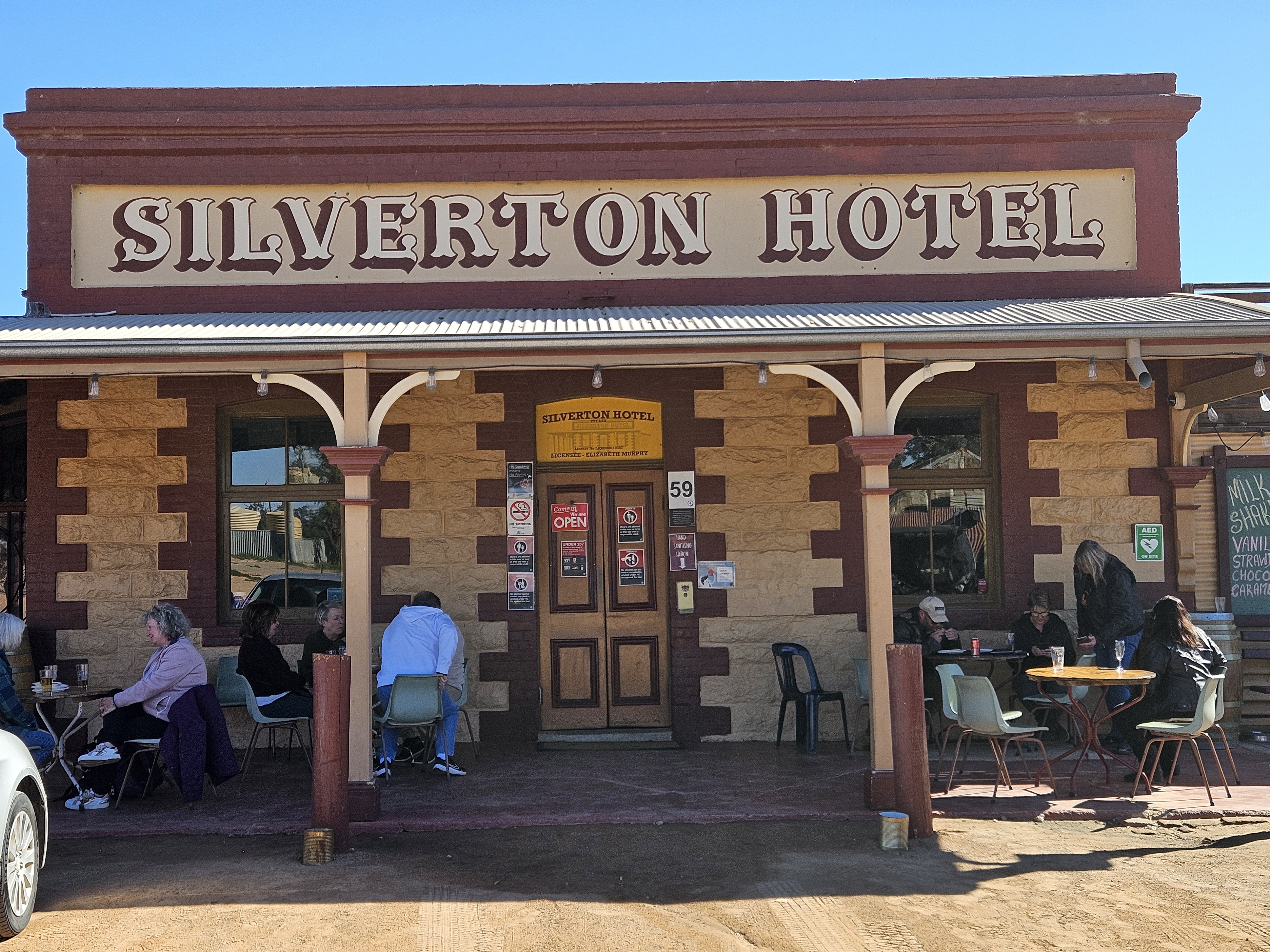
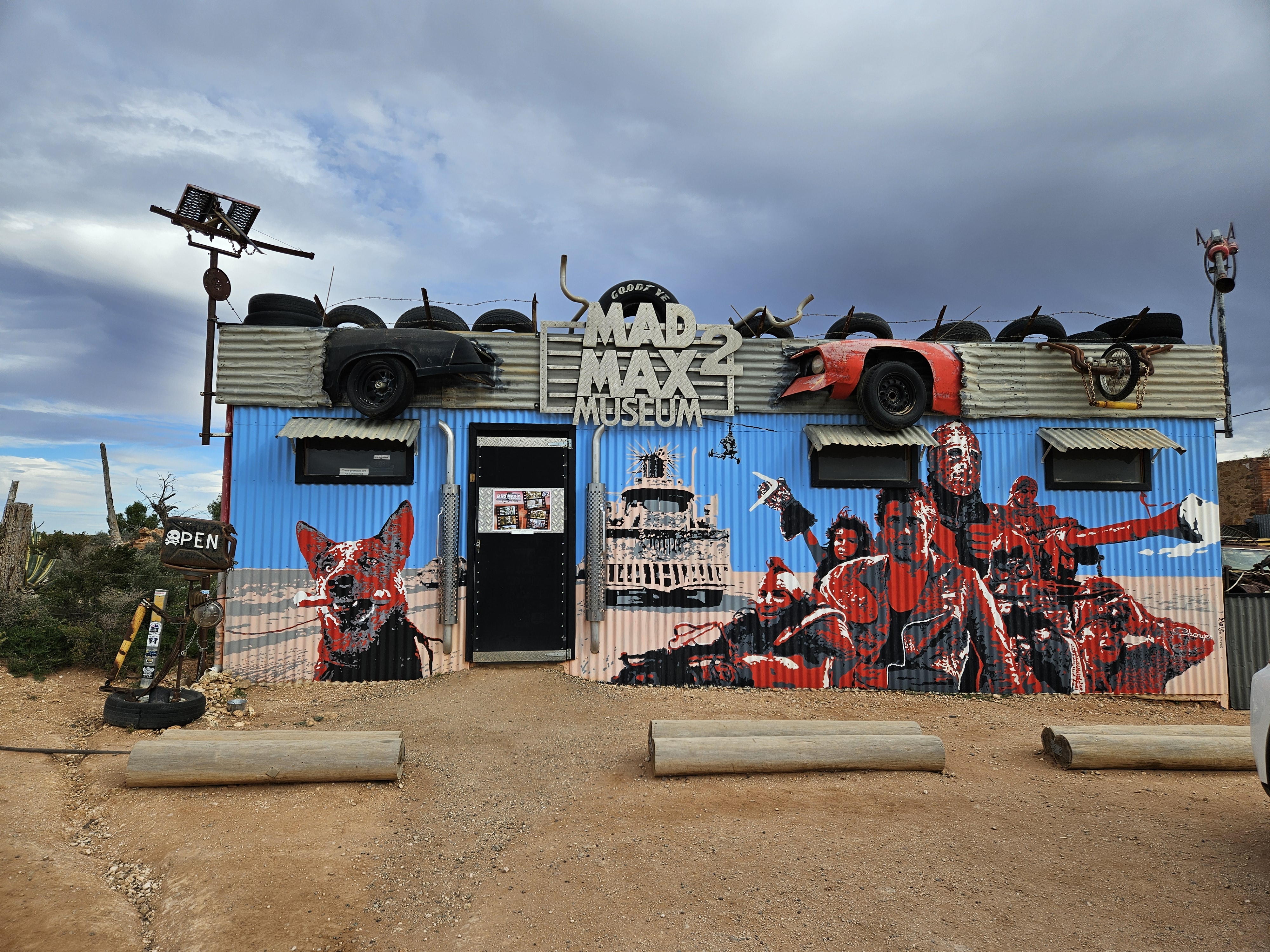
Silverton has also become one of Australia’s most recognisable film locations, including for Mad Max 2. The Silverton Hotel, with its ‘last chance saloon’ vibe, is a well-known landmark, with walls covered in photographs and memorabilia from the town’s screen appearances. There are galleries and artists’ studios to explore, as well as a dedicated Mad Max museum featuring original vehicles and props.
Beyond Silverton, the Mundi Mundi Plains open into an immense expanse of dry country. The horizon seems to go on for ever here. Standing at the lookout, it’s easy to understand why filmmakers have been drawn to this landscape, and why it has become synonymous with the cinematic image of the Outback.
Art, culture and an older story
The nearby Living Desert State Park brings art and the natural environment together. Its large sandstone sculptures were created for an international symposium in 1993 and sit on a ridge overlooking the surrounding country. They are particularly striking as the sun drops and the sandstone takes on warmer colours.
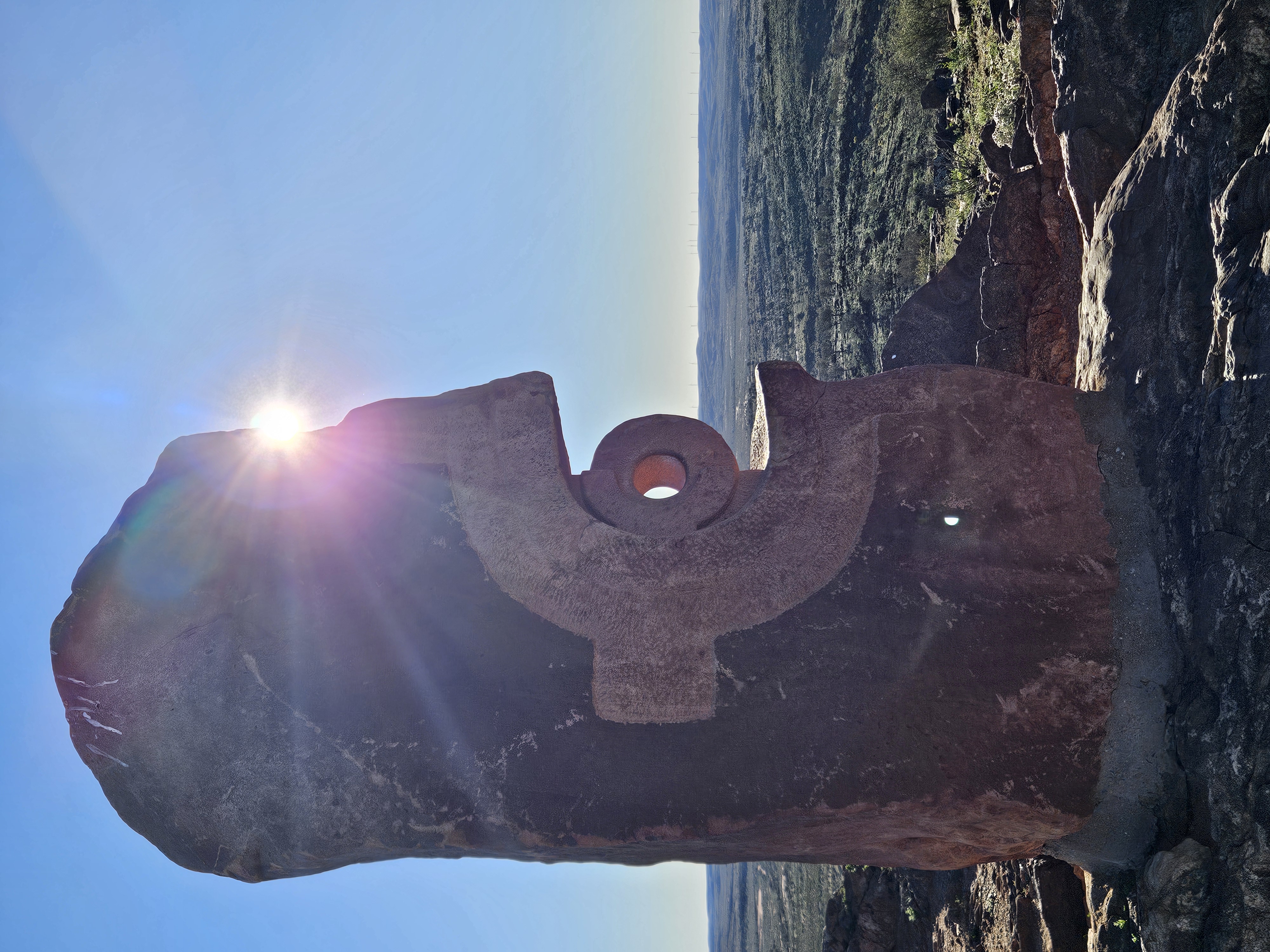
The park also includes Aboriginal Story Poles, offering a contemporary interpretation of local Aboriginal culture and connection to the landscape. They are a reminder that the story of this region reaches back far beyond the relatively recent history of European settlement and mining.
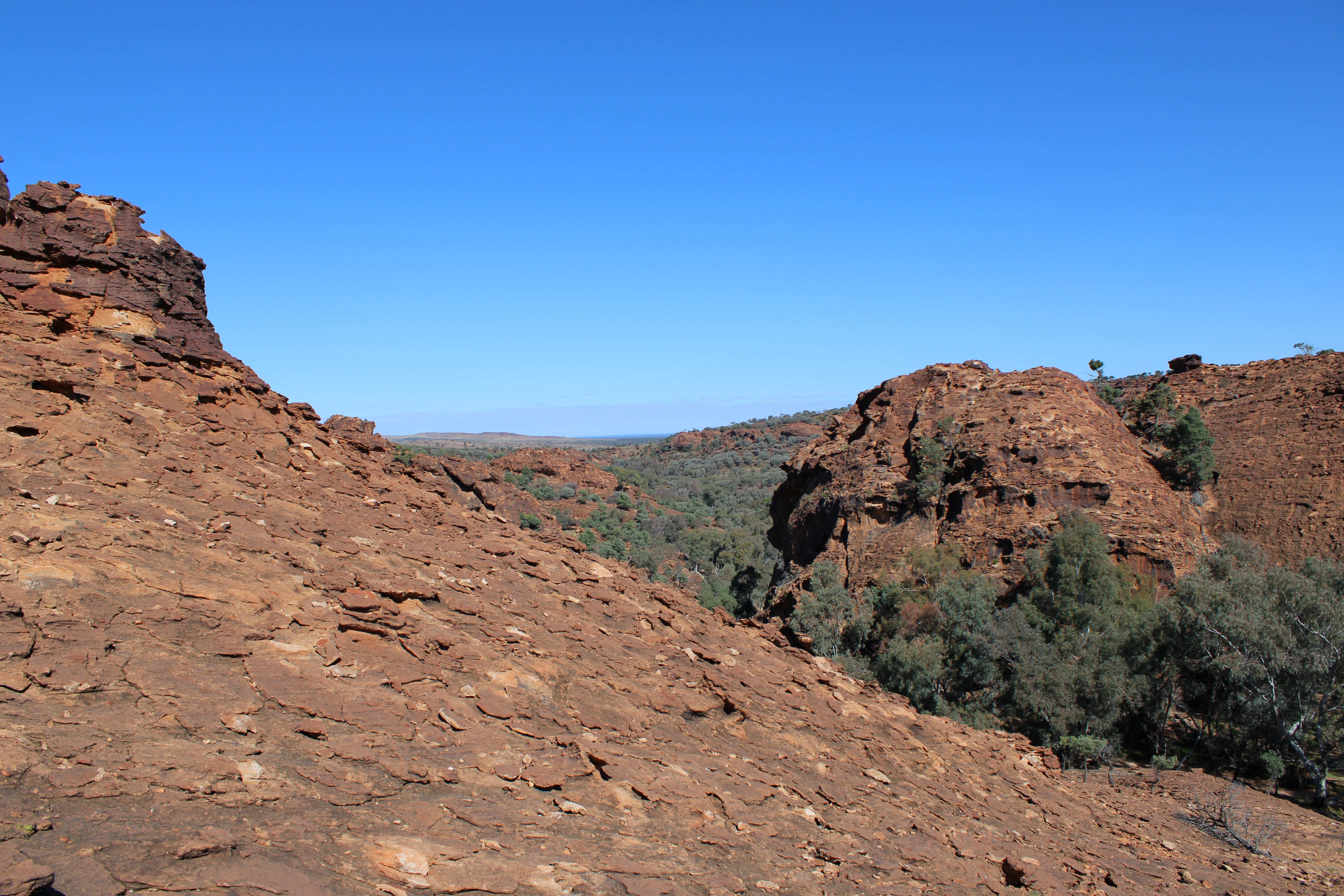
For a deeper sense of that history, Mutawintji National Park lies around 130 kilometres north-east of Broken Hill. Its red-rock landscape, rugged ranges and hidden gorges are home to Aboriginal rock art and archaeological remains that reveal a relationship with the land stretching back thousands of years.
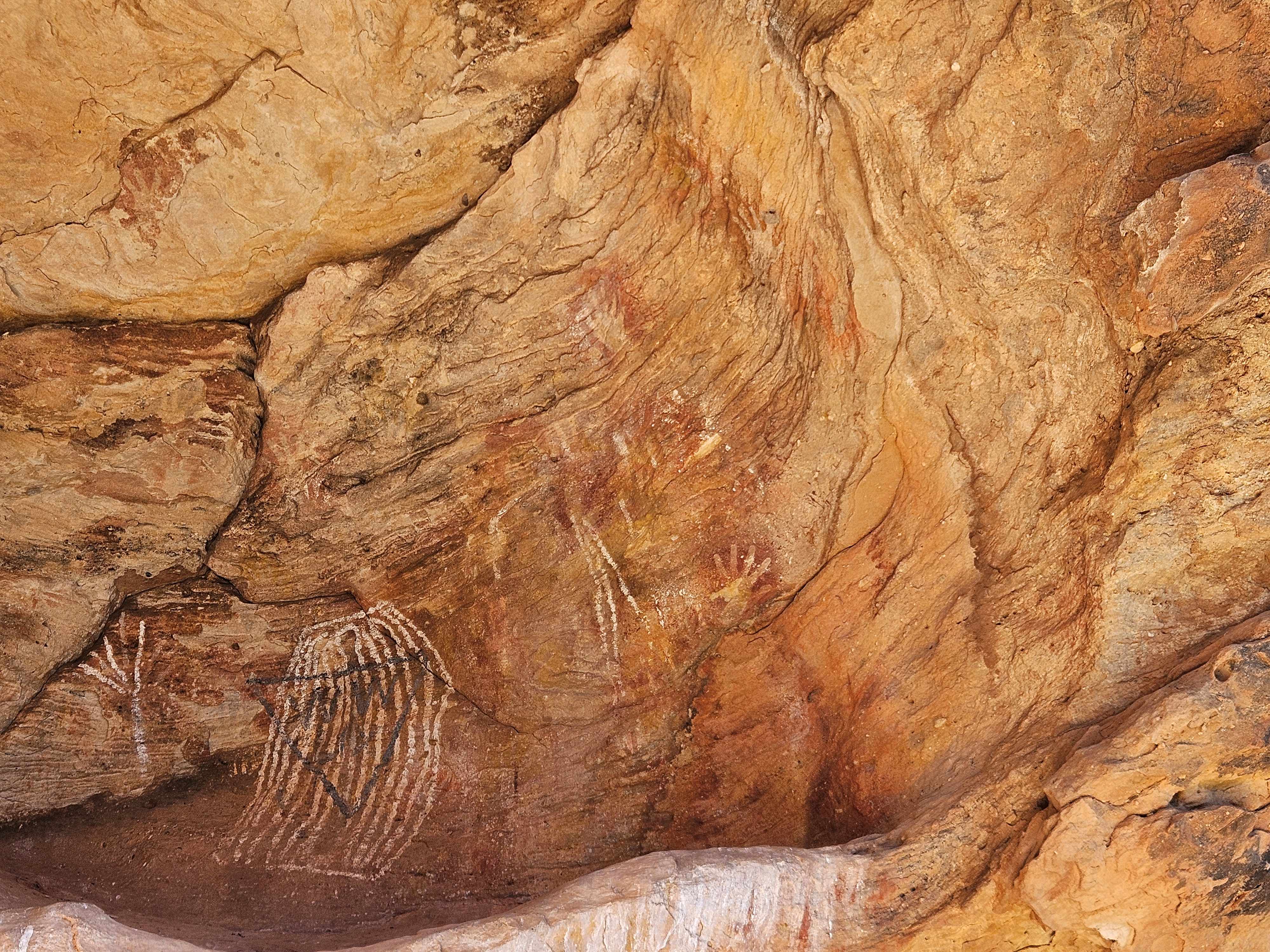
Mutawintji is a substantial day trip, with much of the drive on unsealed roads, so it’s important to check access and road conditions before setting out. Some areas can only be visited with an Aboriginal guide as part of a cultural tour.
Beyond the obvious
Without our family connection, we would probably never have visited Broken Hill. It challenged my expectations of the Outback and reminded me how much more there is to discover in Australia when you look beyond the obvious 'big ticket' sights.
It is a destination with more than one story to tell, and where the unexpected can be found.
Read a longer version of this blog in my Fifth Compass Travel Journal on Substack.