Venice: Getting lost is in this floating city is part of the magic
Here it is, San. Marco, the tower, the piazza, Palazzo Ducale. Probably such a jewel doesn’t exist anywhere else in the world.”
Imagine the audacity of building a city of marble palaces, filled with priceless art, in the middle of a shallow lagoon. Yet that is exactly what the Venetians did. Venice is not just another beautiful European city. It is a one-of-a-kind masterpiece that everyone should experience at least once in their lifetime: a place where history, art, food and everyday life all flow together along the same canals.
A city that rose from the water.
Venice was literally built on water. Venetians drove wooden poles deep into the clay beneath the marshy lagoon to support the buildings above. With no local forests, the Venetians brought alder wood from what is now Croatia, Montenegro and Slovenia, creating invisible foundations that have held for centuries.
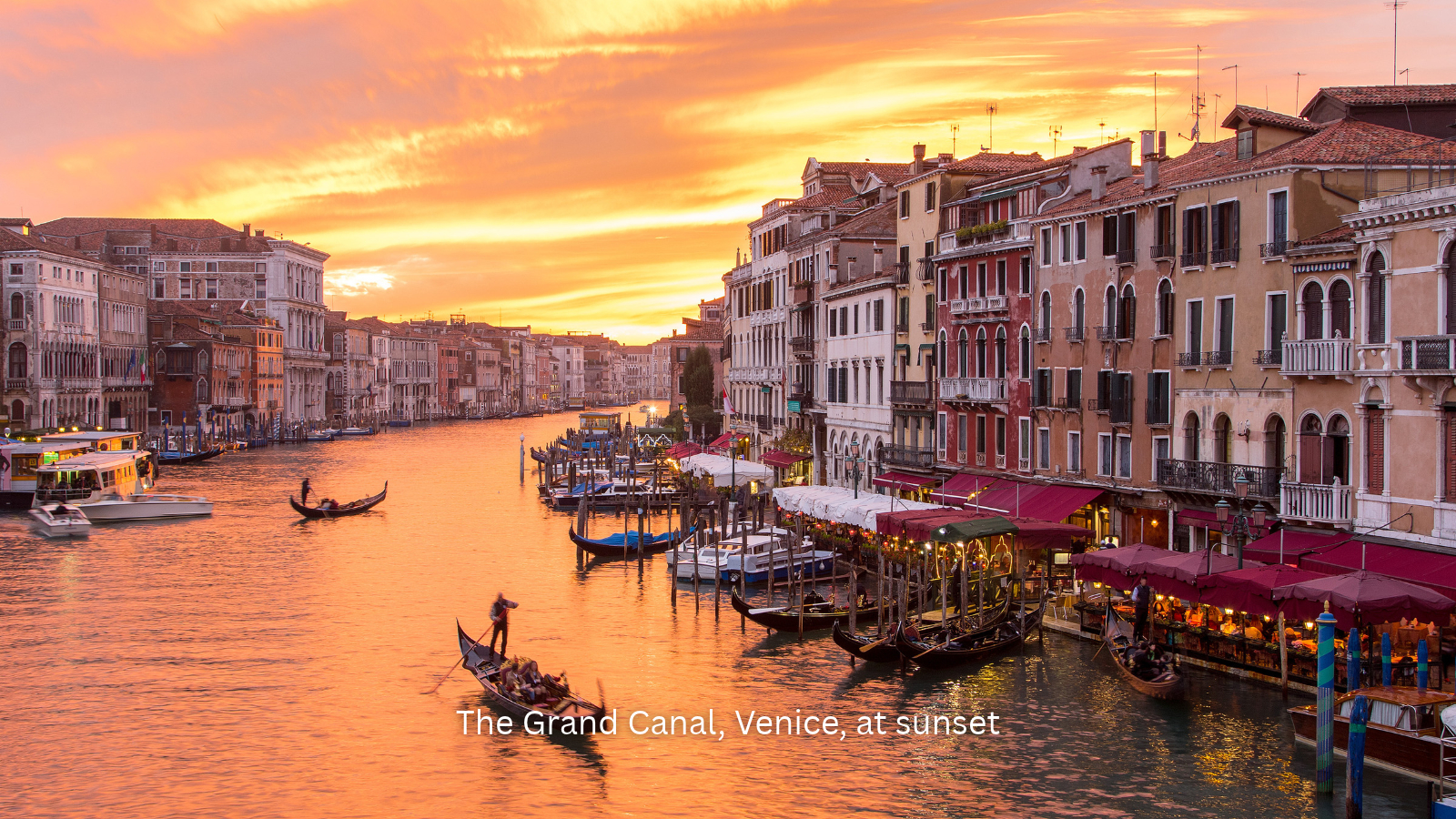
Today, the city rests on around 126 small islands, separated by canals and stretches of lagoon, and stitched together by hundreds of bridges. All of this lies within the Venetian Lagoon, an enclosed bay between the mouths of the Po and Piave rivers.
Unlike many of Italy’s great cities, Venice came into its own after the fall of the Western Roman Empire. From 568 AD, Lombard invasions drove mainlanders to seek refuge in the lagoon’s marshy islands. From those precarious beginnings, a powerful maritime republic emerged, one that would leave an indelible mark on art, trade and culture across the Mediterranean.
Icons you simply have to see.
For many visitors, Venice is love at first sight. The city’s greatest hits alone could fill a whole trip:
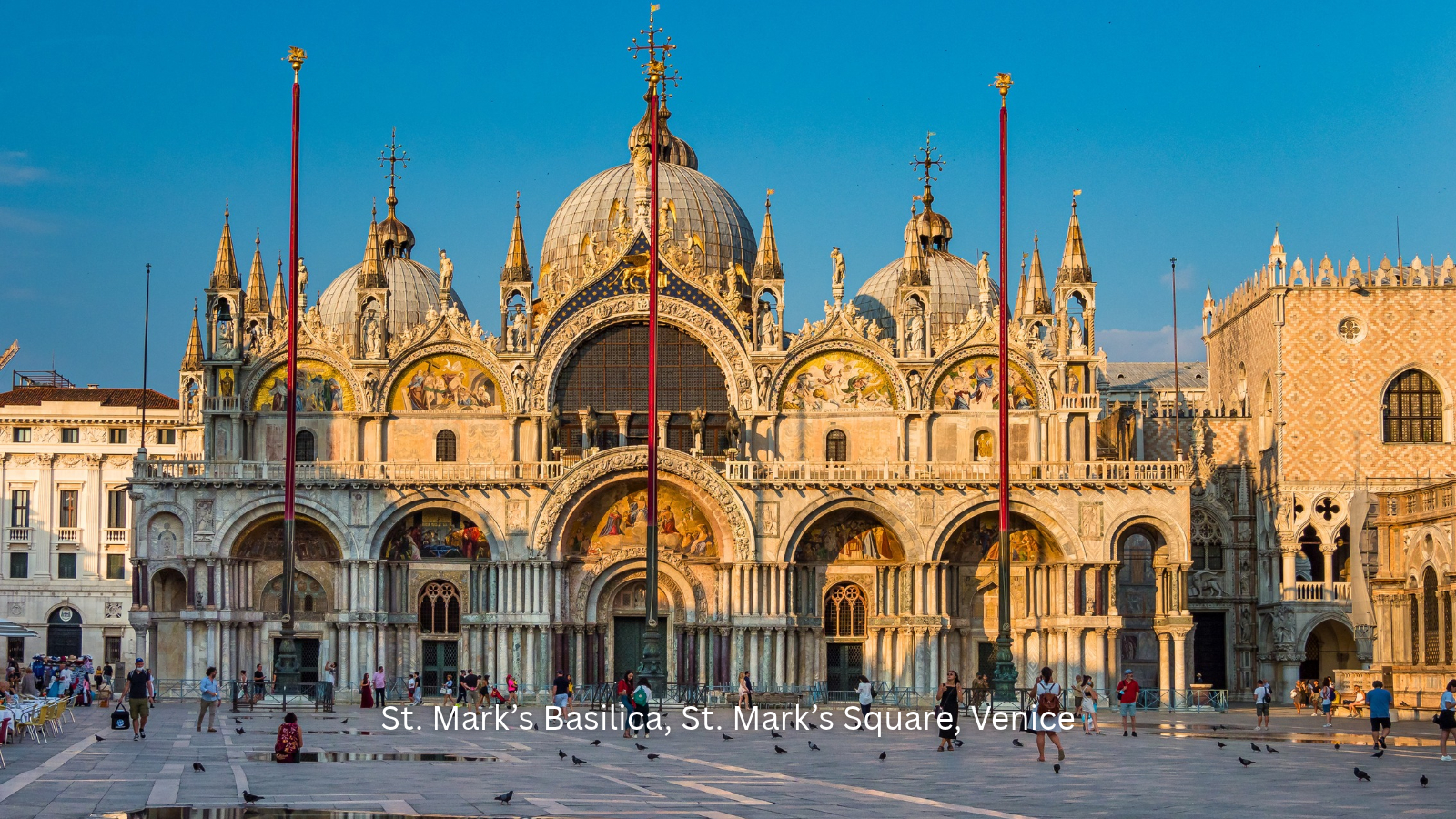
- St Mark’s Square, with its famous basilica and the soaring Campanile.
- The Rialto Bridge, arching elegantly over the Grand Canal.
- Masterpieces in the Gallerie dell’Accademia and countless smaller churches and palazzi.
These are the places you dream about long before you arrive, and they really do live up to the postcards. But to truly feel Venice, you need to wander a little further.
Venice beyond the crowds: hidden corners to discover.
Away from the main routes, Venice reveals a quieter, more intimate side. Tucked among the backstreets and smaller canals are places that offer a glimpse of the city that locals know and love.
A traditional gondola boatyard - Squero di San Trovaso
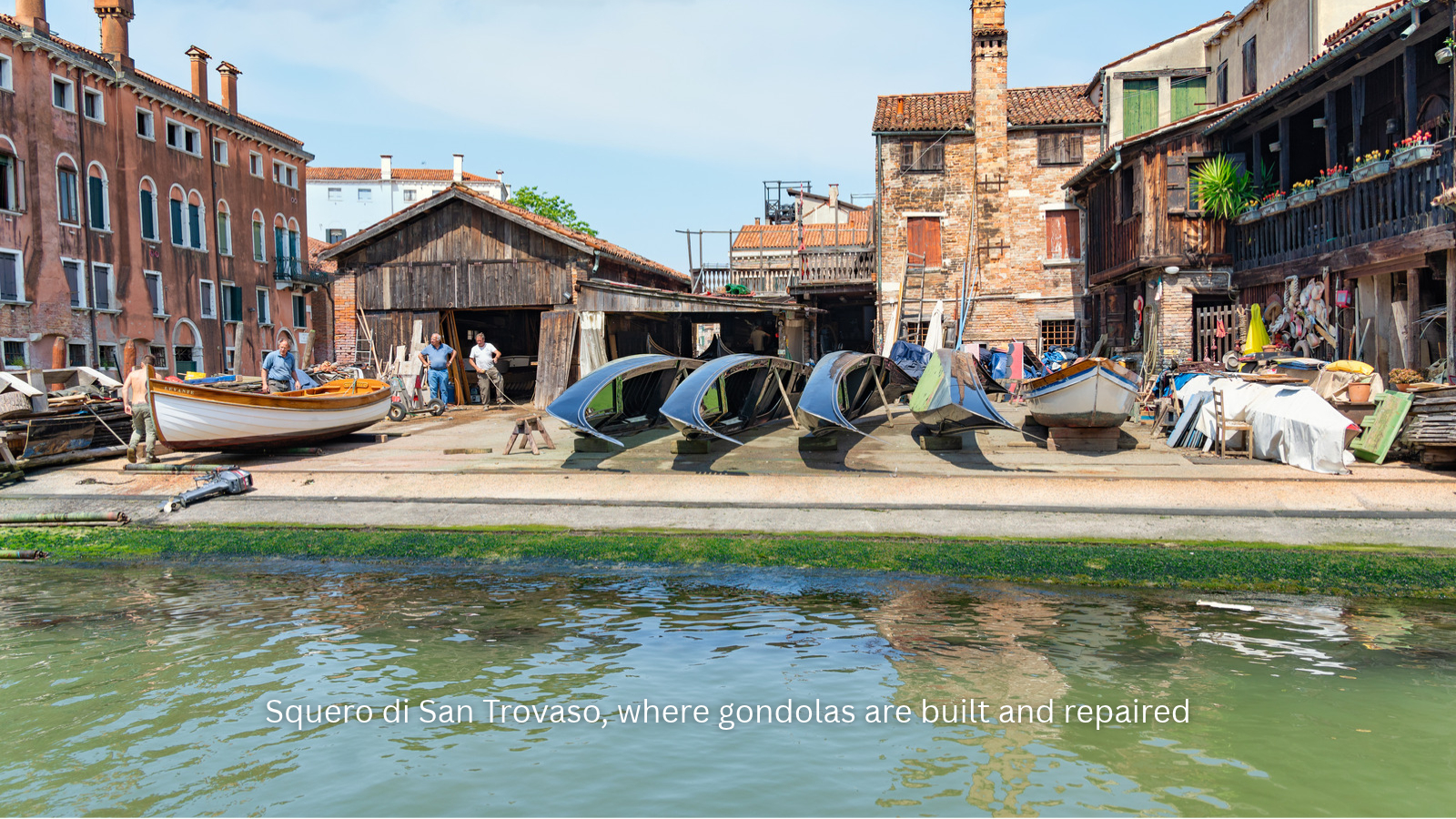
One of the few remaining traditional boatyards, dating back to the 17th century, still keeps the ancient craft of gondola building and repair alive. Here, visitors can see how these iconic boats are made by hand, using techniques passed down through generations. Guided visits reveal just how much skill, patience, and precision go into crafting each elegant black gondola that glides along the canals.
The spiral staircase of dreams - Scala Contarini del Bovolo
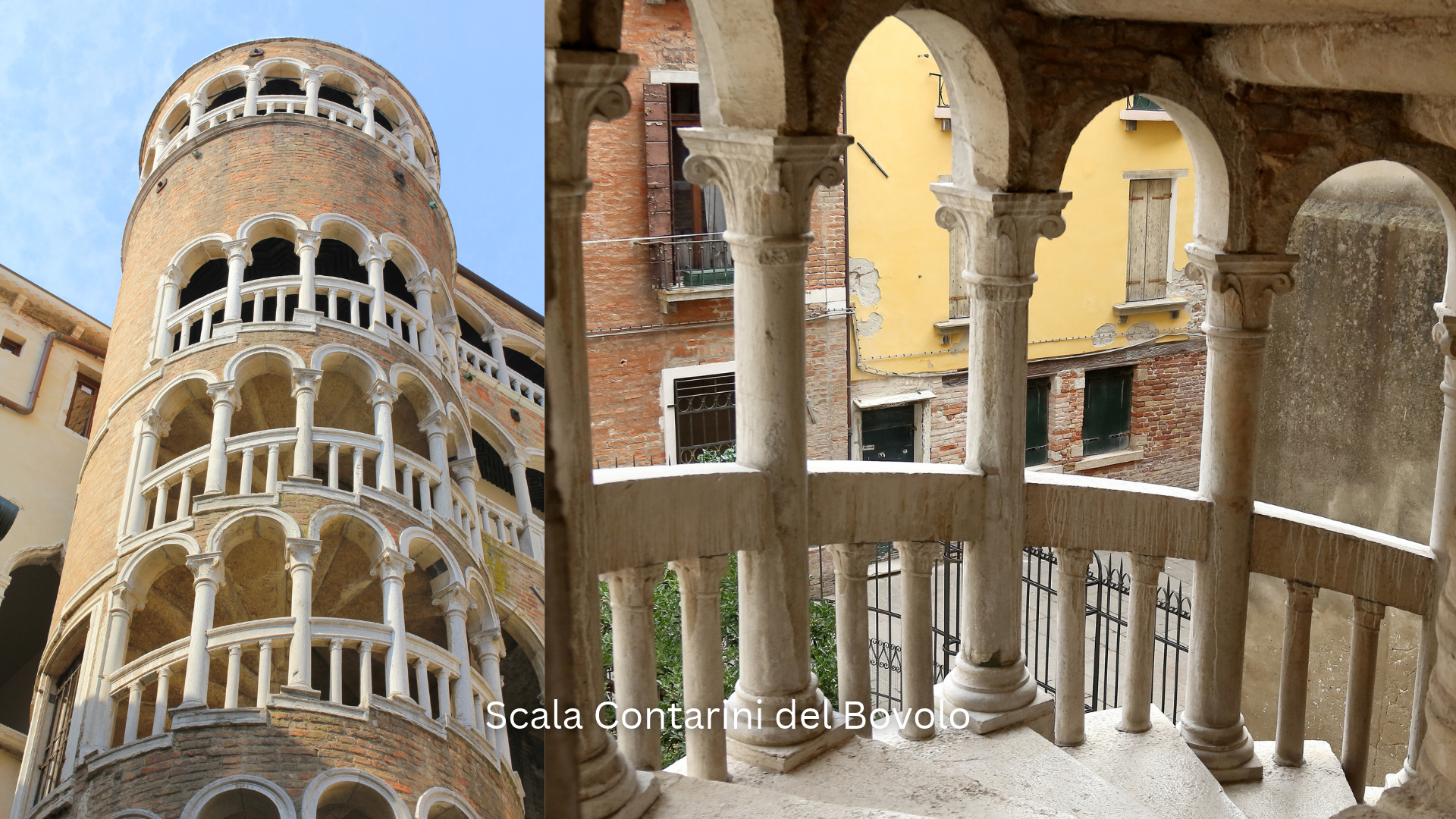
Hidden within the city’s maze is a remarkable spiral staircase that blends Venetian, Renaissance and Gothic styles. Climb its 80 steps, and you are rewarded with sweeping views over terracotta rooftops and winding canals. It feels like stepping into a secret lookout point, perched above the city yet wonderfully close to it.
The flooded crypt of San Zaccaria
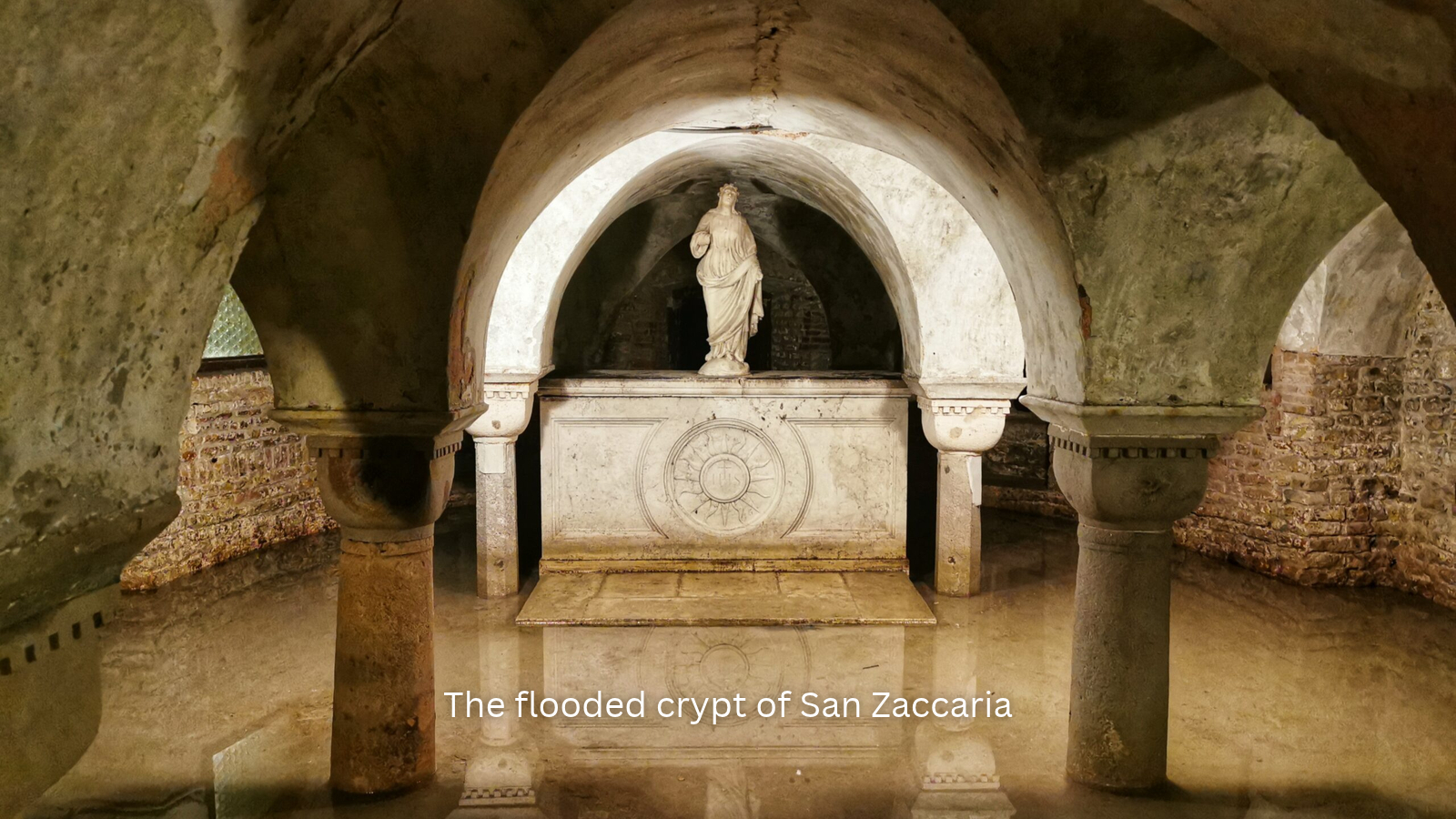
Not far from St Mark’s Square is one of Venice’s most atmospheric sights: the flooded crypt beneath the Church of San Zaccaria. For centuries, water has seeped in, so the tombs of eight Venetian Doges now appear to float eerily beneath the vaulted ceiling. It is a haunting, unforgettable space that very few visitors ever see.
Campo Santa Margherita: Venice at play
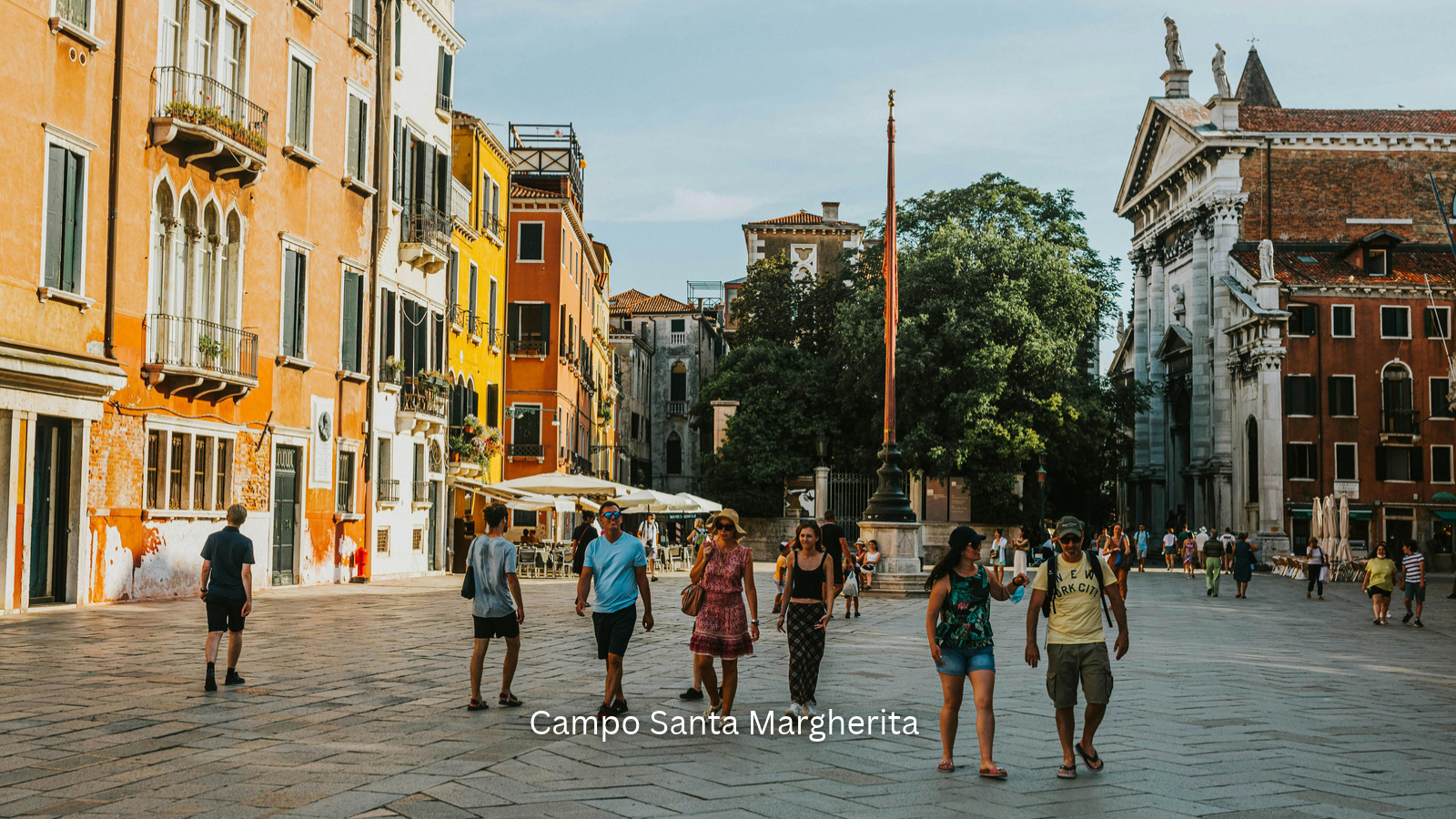
In the Dorsoduro district, Campo Santa Margherita is where Venice relaxes. This lively square is a favourite with locals, especially students. By day, you might find a flea market or families enjoying a coffee. By night, the campo transforms into a buzzing social hub with bars, outdoor tables and a relaxed, bohemian vibe. It is the perfect place to linger, people‑watch and feel the rhythm of Venetian life.
Evenings in Venice: lagoon light and classic cafés
After a day of churches, galleries and slow strolls over bridges, Venice comes into its own in the evening. Rather than heading for loud clubs, this is a city where the perfect night is a good bottle of wine, a plate of cicchetti (Venetian bar snacks) and a lagoon view blushing pink at sunset.
You might choose to follow in the footsteps of writers and artists at the legendary Harry’s Bar, where the Bellini was invented in the 1930s. This small, wood‑panelled bar has welcomed an impressive roll call of guests over the decades, from Lord Byron and Marcel Proust to Orson Welles. Everything, from the polished mahogany to the golden light, evokes a bygone world of classic European café culture.
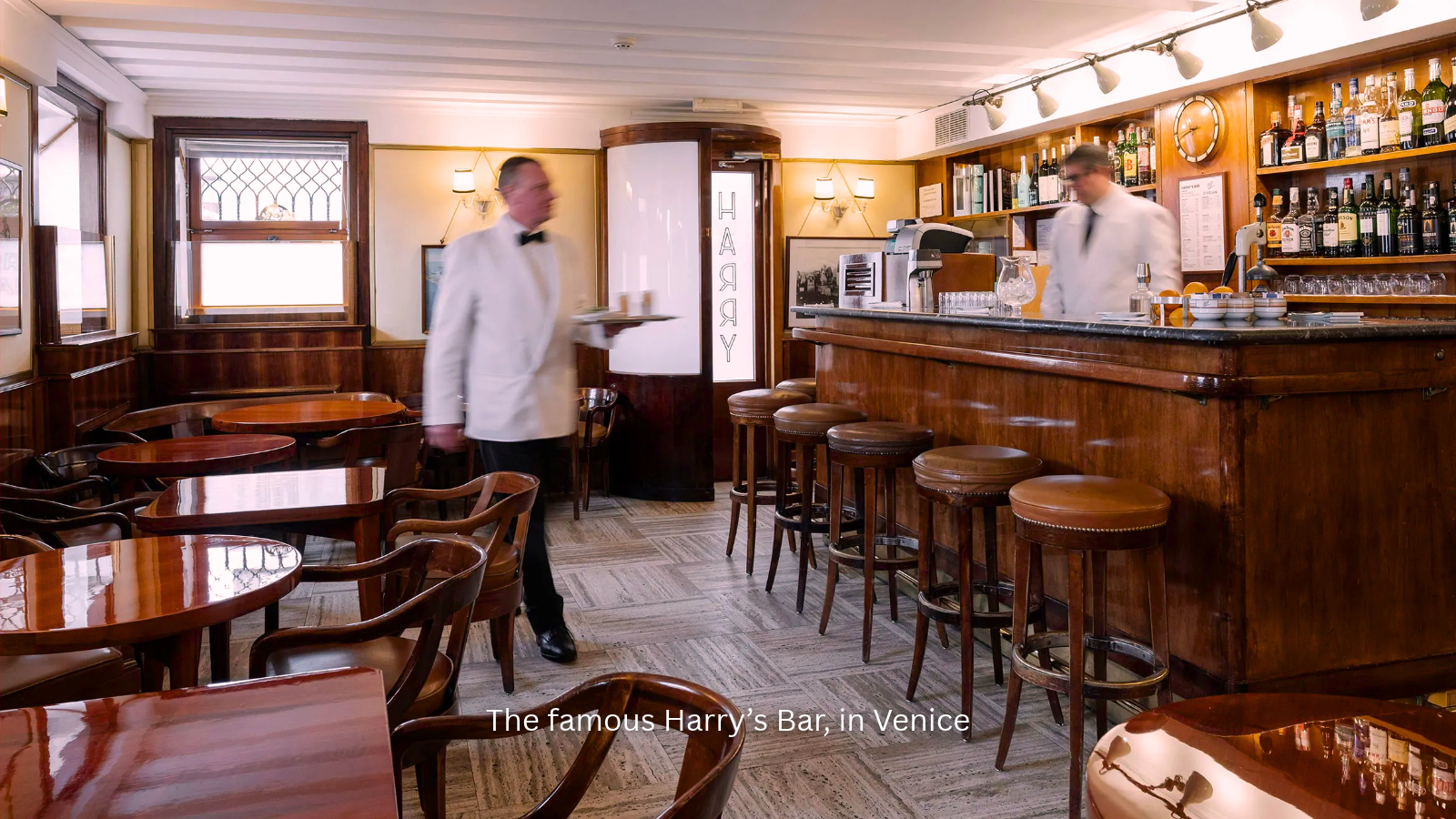
Whether you are by the water’s edge or tucked into a tiny wine bar, evenings in Venice encourage you to slow down, talk, sip and savour.
A city that lives to eat
In Italy, people often say they live to eat rather than eat to live, and Venice is no exception. Italian cuisine is famously diverse, changing from region to region and sometimes village to village. The country’s mountains, plains and long coastlines are all reflected in its cooking.
Venice, perched on the water and shaped by centuries of trade, has developed a distinctive cuisine. Exceptionally fresh seafood is at its heart, but you will also taste influences from the Middle East and beyond, thanks to Venice’s historic role as a gateway between East and West.
To understand Venice, sit down to a proper Venetian meal. Here are a few dishes to look out for.
Bigoli in salsa
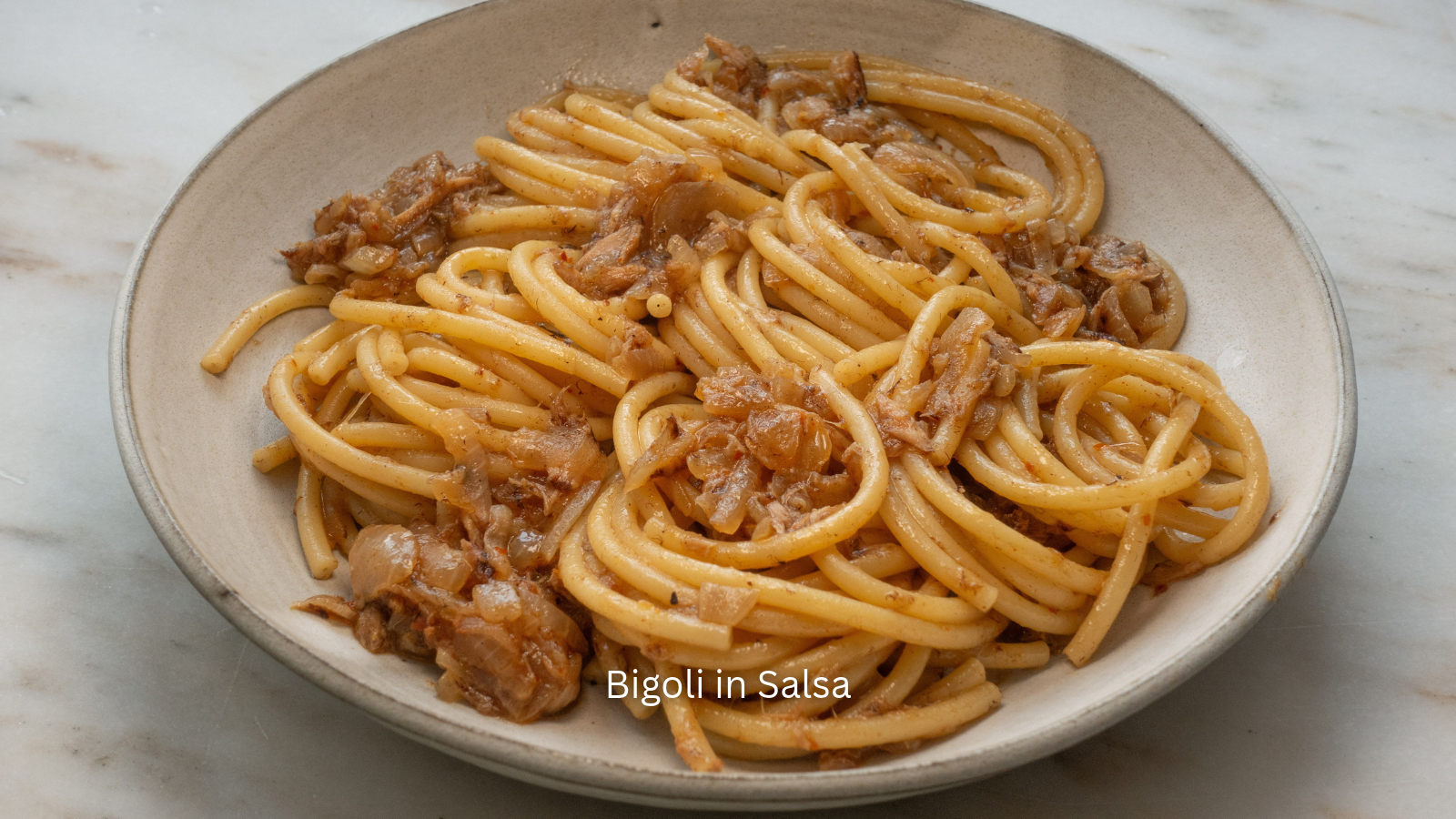
Risotto al nero di seppia
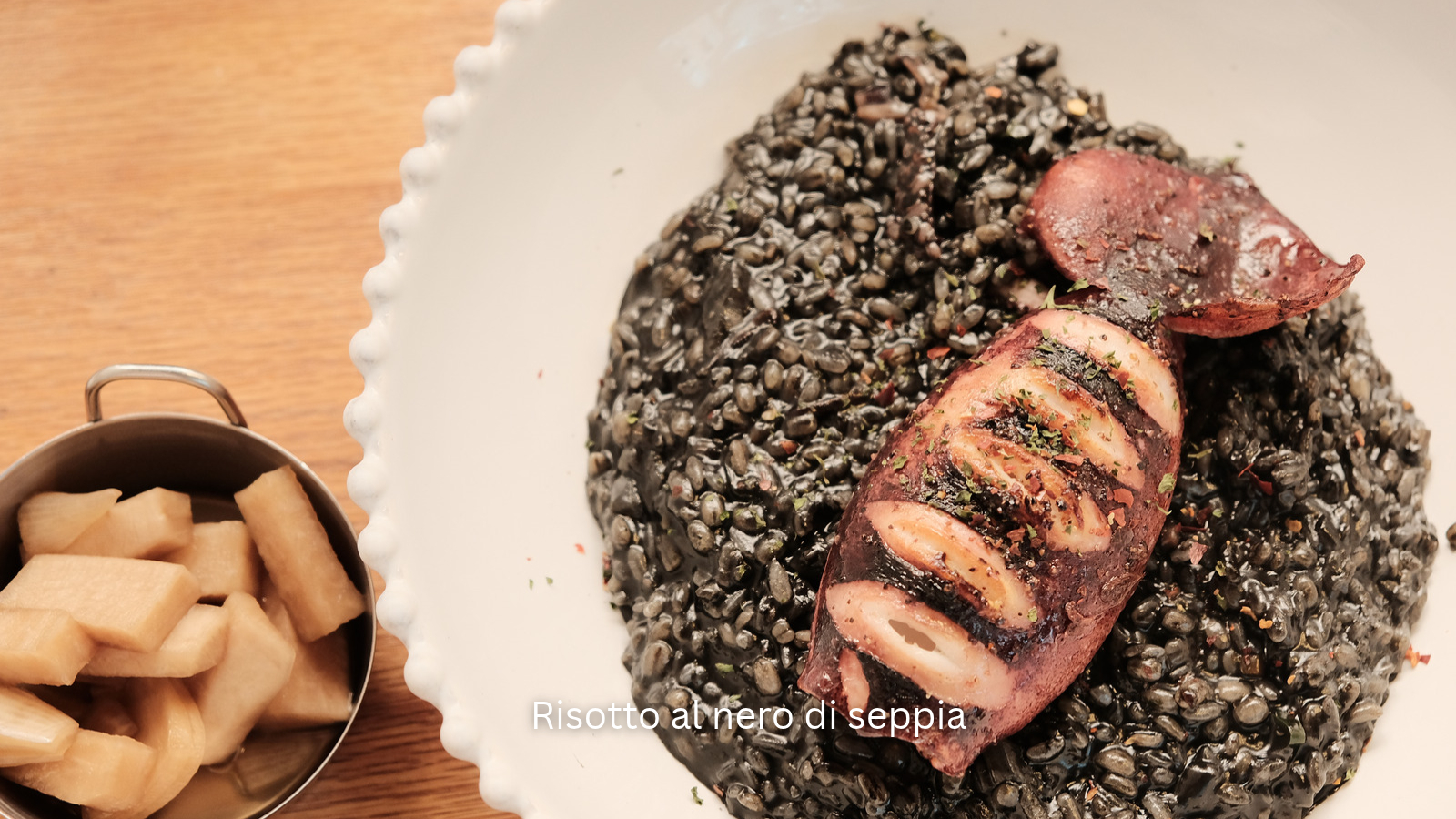
Rice dishes are common in the Veneto region, which produces plenty of grain, and this is one of the most iconic. Risotto al nero di seppia is made with cuttlefish and its ink, which turns the rice a dramatic jet black. Do not be put off by the colour: the flavour is delicate, briny and luxurious. If you are trying local specialities, this one deserves a place on your list.
Sarde in saor
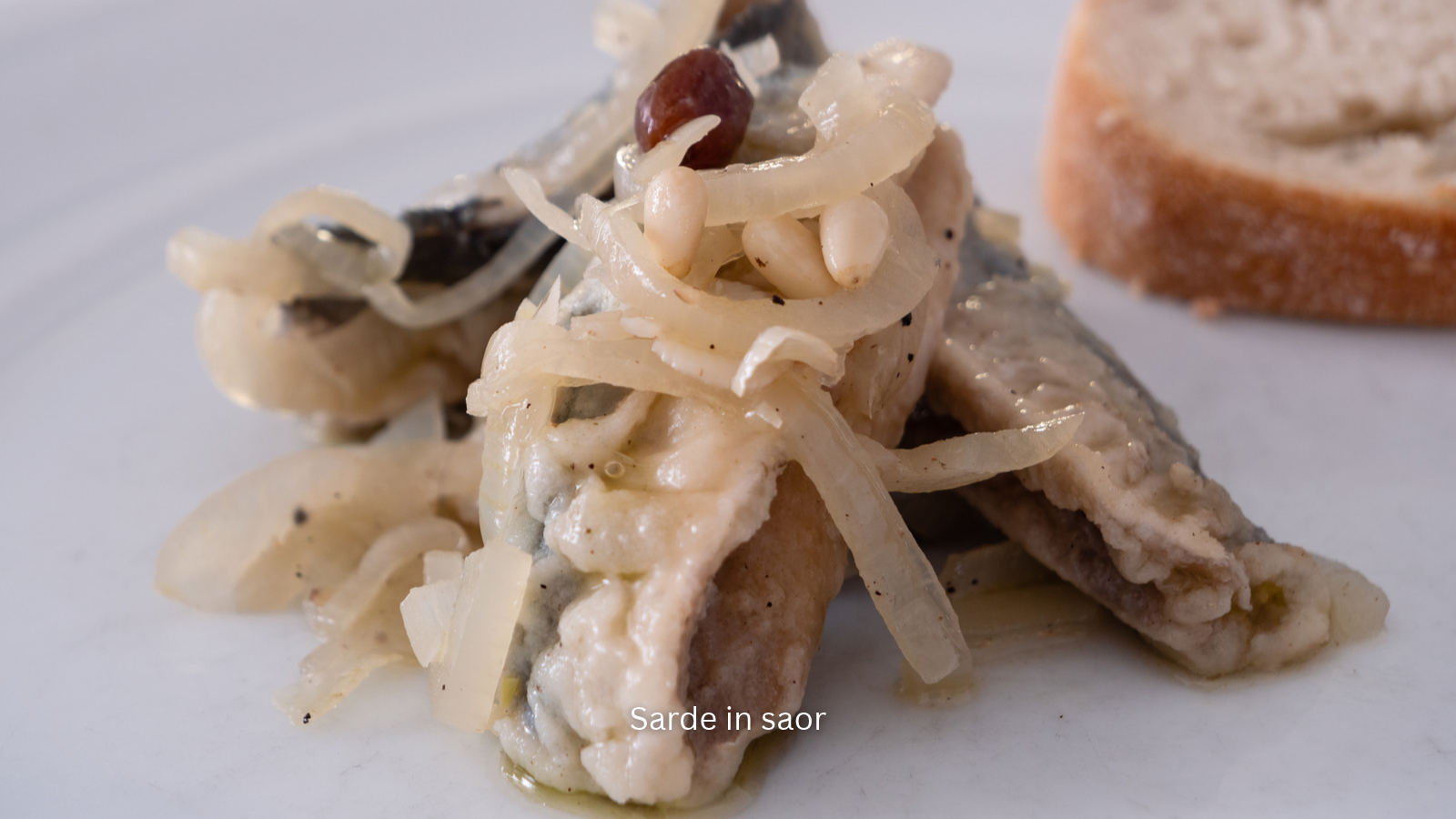
Dating back to the Middle Ages, when sailors and fishermen relied on preserved fish during long voyages, sarde in saor is both practical and delicious. It consists of deep‑fried sardine fillets marinated with onions, pine nuts, raisins and vinegar. The result is a sweet‑sour flavour that Venetians adore. You will often find it as a starter or cicchetto in traditional wine bars and bacari.
Baccalà mantecato
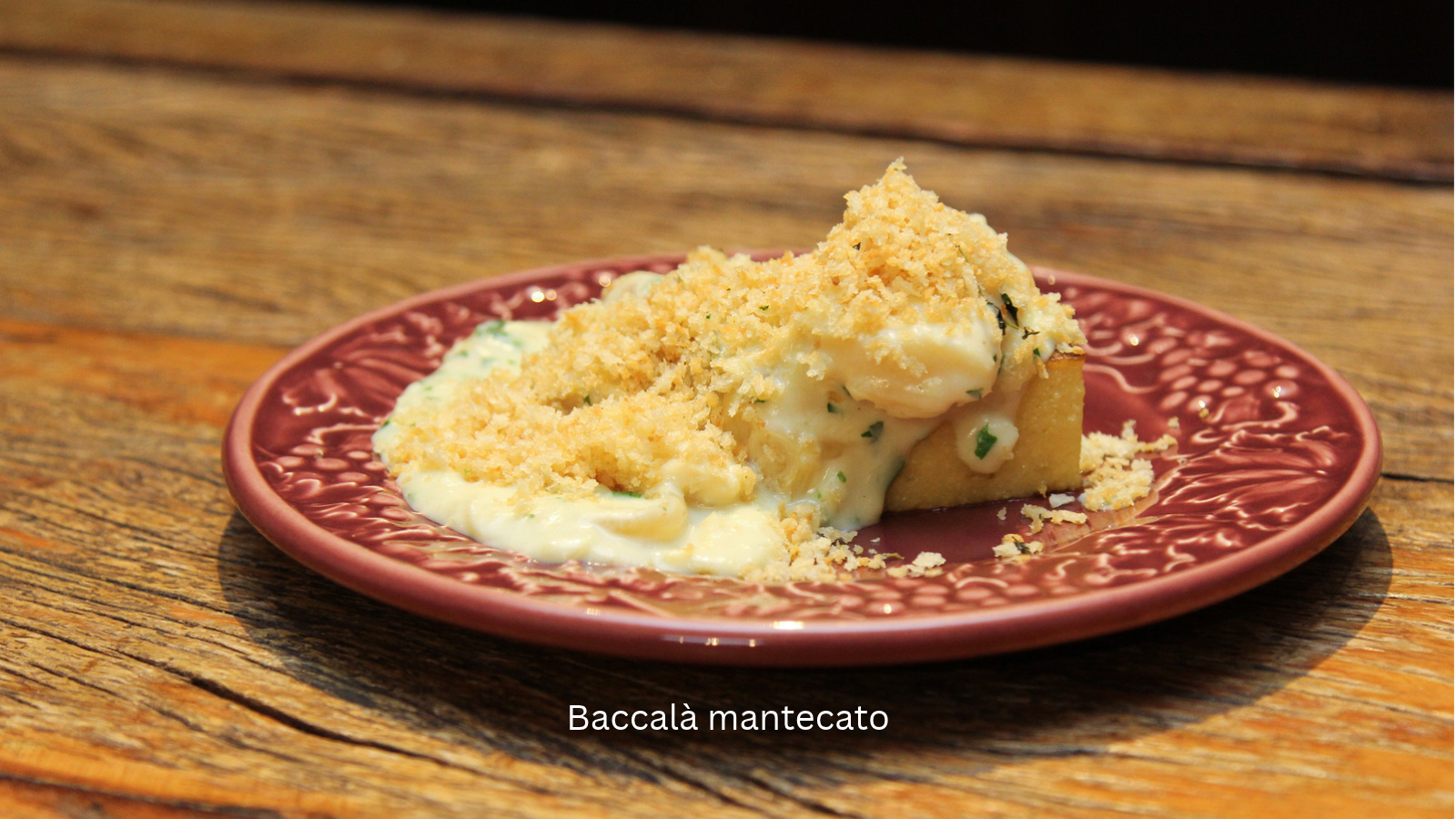
Another preserved fish that became a Venetian staple is baccalà, dried and salted cod with a long shelf life. Baccalà mantecato is created by soaking and poaching the fish, then whipping it with extra‑virgin olive oil until it becomes wonderfully smooth and creamy. It is usually served on slices of grilled bread or toasted polenta, sprinkled with fresh parsley. Simple, elegant and very Venetian.
Fegato alla Veneziana
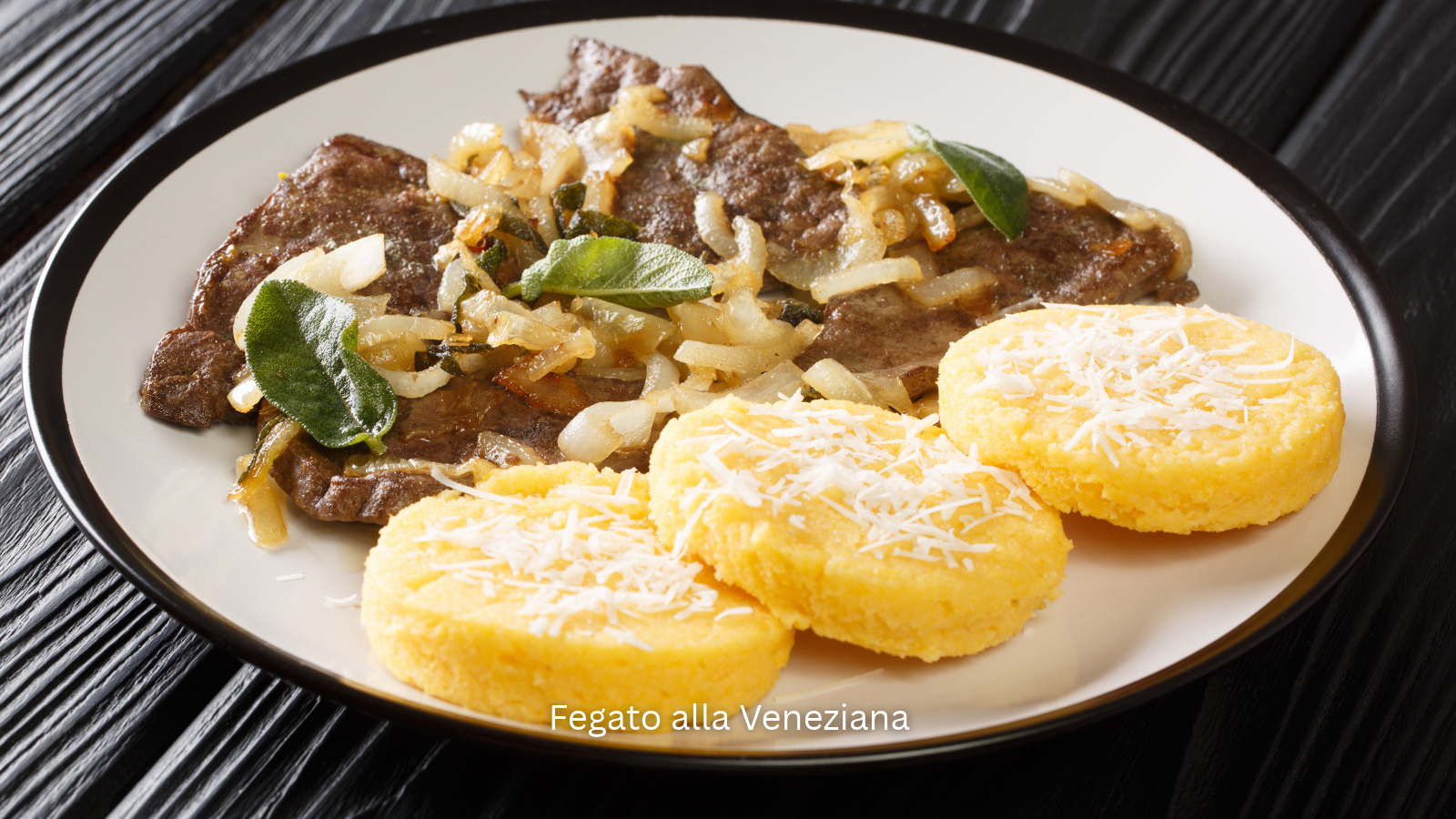
This Venetian‑style liver dish has roots in at least ancient Rome. While the Romans paired liver with figs, the Venetian version uses sweet, slow‑cooked onions to balance the strong flavour of calf’s liver. Served with grilled polenta, good bread or potatoes, fegato alla Veneziana is a comforting classic for those who enjoy bold, traditional flavours.
Cicchetti: Venice on a plate
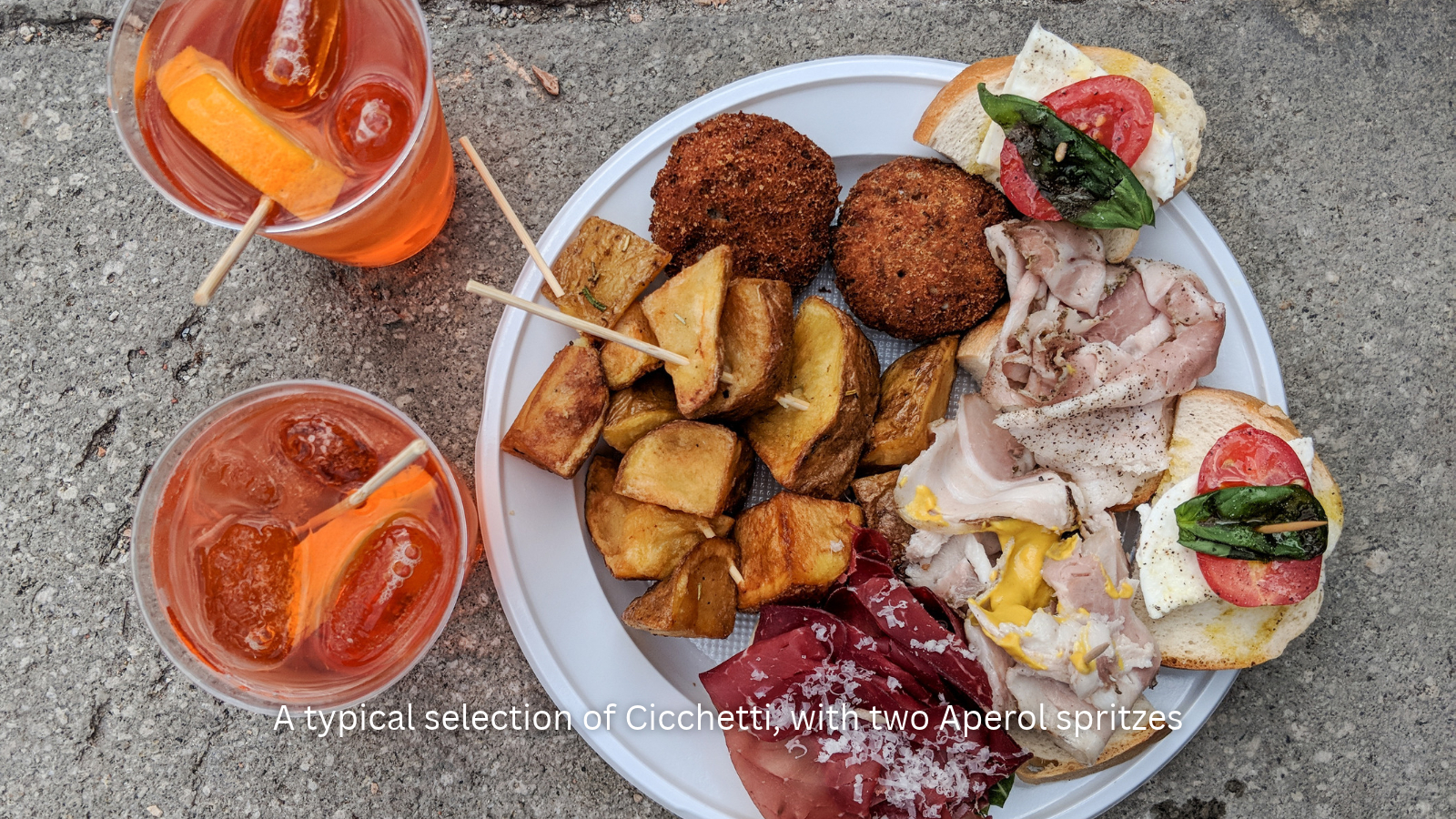
No trip to Venice is complete without cicchetti, the city’s answer to Spanish tapas. The name is thought to come from a Latin word meaning “little” or “nothing,” but these bites are anything but insignificant.
Cicchetti might include:
- Crostini piled with cured meats, cheeses or creamy spreads
- Polpette, or fried meatballs, served hot from the kitchen
- A variety of seafood snacks, from marinated anchovies to tiny open sandwiches topped with baccalà mantecato
You can enjoy cicchetti almost any time of day, though they are especially beloved at aperitivo hour. Hopping from one bacaro (traditional bar) to another, sampling a glass of wine and a couple of small bites in each, is one of the most enjoyable ways to eat your way through Venice.
Where to eat like a Venetian
To truly savour the city, it is worth straying away from the busiest thoroughfares. Tucked behind quieter canals and campos are superb little restaurants and trattorias where you will find more locals than tour groups and a warm, genuine welcome.
Here are a few to seek out:
Trattoria da’a Marisa
In the Cannaregio district, this cosy trattoria feels like a home from home. With a warm, unfussy atmosphere and generous plates of homemade Venetian dishes, it is popular with locals and visitors who want to escape the crowds and enjoy an honest, well‑cooked meal.
Trattoria alla Rampa
Close to the Giardini della Biennale, this unpretentious trattoria serves hearty, traditional fare in a simple, charming setting. It is an ideal spot for a leisurely lunch or dinner while exploring one of Venice’s quieter, more residential corners.
Algiubagio Restaurant
Set along the Fondamente Nove, Algiubagio blends Venetian and wider Mediterranean flavours. Its inviting ambience and friendly service make it a lovely choice for those looking for an authentic dining experience with just the right touch of refinement.
Ristorante Da Ivo
Tucked away not far from St Mark’s Square, Ristorante Da Ivo manages to feel both central and slightly secret. Known for excellent seafood and classic Venetian dishes, it attracts loyal regulars who appreciate its elegant yet relaxed atmosphere.
Rio Novo
In the Santa Croce district, Rio Novo is a favourite among those who love fresh seafood and homemade pasta served without fuss. The restaurant’s relaxed, welcoming feel makes it a wonderful place to linger over a long meal and a good bottle of wine.
By wandering beyond the most familiar sights and stepping into little squares, quiet churches and neighbourhood restaurants, you begin to experience the real Venice: a living, breathing city of traditions, stories and flavours.
For many travellers, that first glimpse of the Grand Canal or that first plate of cicchetti marks the beginning of a lifelong love affair. Venice stays with you long after you leave, which is why it deserves a place on your travel list at least once in your lifetime.