Jungles, Reefs and Remote Islands: The Other Face of Expedition Cruising
There Is More to Expedition Cruising Than Icebergs and Penguins
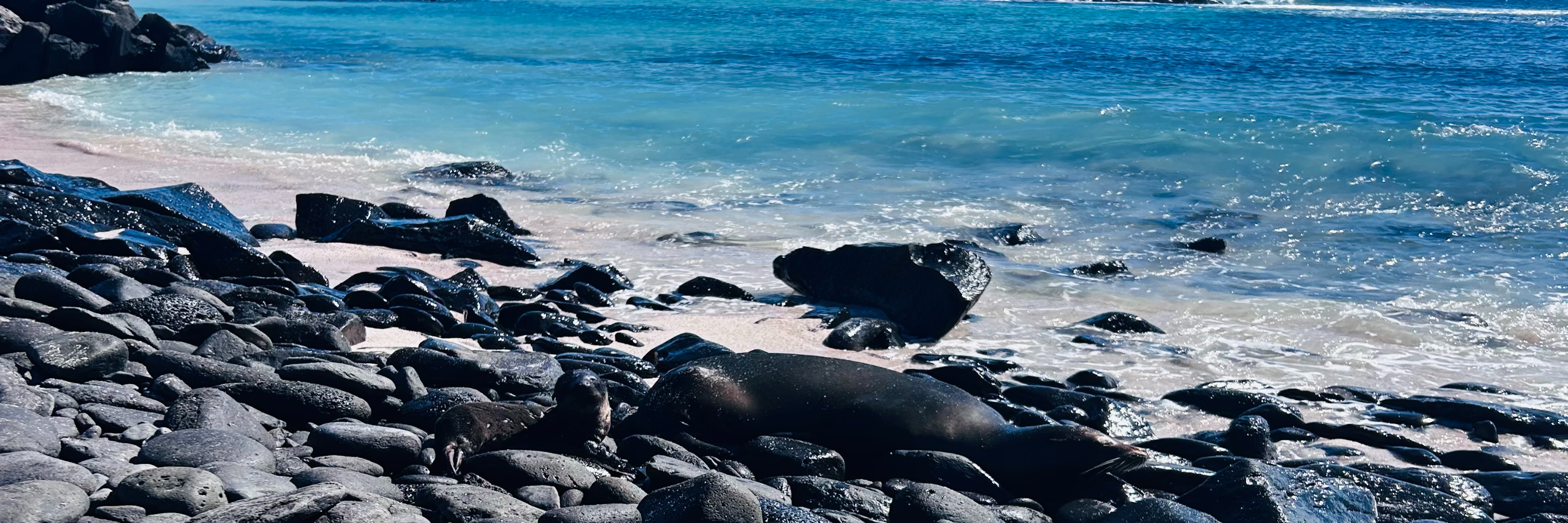
You could be forgiven for thinking expedition cruises only belong in the coldest corners of the map. Most of the images we see are of red parkas lined up on a snowy shore, penguins shuffling past and icebergs glowing blue under a low polar sun. Those voyages are every bit as magical as they look, but they are only one part of the story. Expedition cruising is not a single destination, it is a way of travelling. It is about small ships and small groups, days that revolve around getting off the vessel rather than staying on it, and guides who can bring a landscape to life with a few well‑chosen words. Sometimes that does mean snow, ice and the thrill of crossing the Drake Passage. But it can just as easily mean bare feet on a warm deck at dawn, the breathy sound of the rainforest waking up, or thick, sweet tropical air rolling in as you come back from a twilight zodiac ride. You can explore volcanic islands where sea lions nap on the sand, watch waterfalls plunge from red rock into bath‑warm seas, slip quietly through mangrove channels in search of monkeys and birdlife, or anchor off tiny Pacific islands that barely show up on a map. The same expedition “DNA” is there in all of these experiences: the curiosity, the flexibility, the sense of being out in the world rather than simply looking at it from a distance. The only thing that really changes is what you are putting on in the morning: a pair of gloves and a beanie, or a light shirt and a generous layer of sunscreen. So if you love the idea of an expedition cruise, but you are not sure about the cold, it might be reassuring to know that there is a whole band of the globe where you can keep the zodiacs and the expert guides, and swap snow for warm water instead. Warm‑water expedition cruising: where can you go?
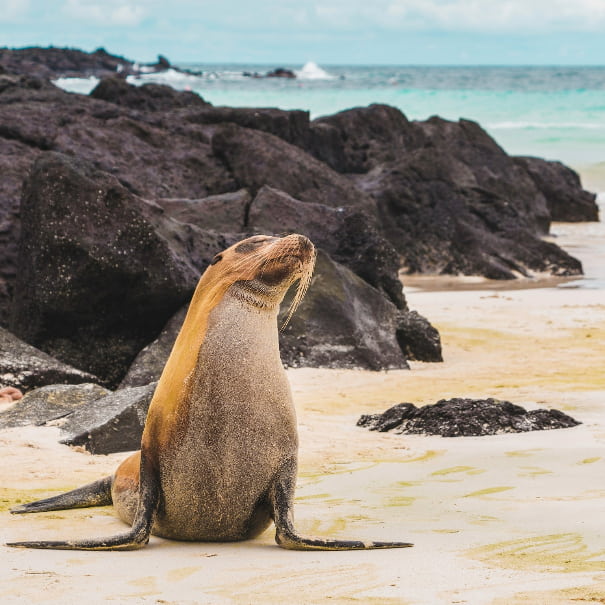
The Galápagos Islands are probably the best‑known example. Here the ship is simply your floating base between encounters with blue‑footed boobies, sea lions and marine iguanas. Days fall into a lovely rhythm of zodiac rides, guided walks and snorkelling, all under the watchful eye of park rules designed to protect the wildlife. You step ashore on black volcanic rock still warm from the sun, watch young sea lions bicker in the shallows and learn why the birds and reptiles here evolved as they did. It feels wild and incredibly intimate, but you are much more likely to be pulling on a rash vest than a thermal base layer.
Further along the coast, Costa Rica and Panama offer a different flavour of warm‑water adventure. Imagine rainforest spilling right down to the sea, mangroves and national parks full of bird calls and the croak of frogs, with the engineering drama of the Panama Canal thrown in for good measure. Instead of docking in big commercial ports, your ship might anchor in quiet bays where the jungle soundtrack replaces the usual cruise‑port bustle. You head ashore in small groups, perhaps to paddle a kayak along the edge of the forest, to walk to a waterfall, or simply to stand and listen to how alive it all sounds.
The Amazon takes that sense of immersion and turns it up a notch. Here the water is brown and glassy rather than turquoise, and the ship itself is often a smaller river vessel, but the expedition feel is exactly the same. You set off in skiffs at dawn to watch the mist rise and the birds start their day, drift past villages where life is lived almost entirely on or beside the river, and step into the forest with your guide when the heat allows. It is hot, humid and endlessly full of life. At night, the air hums and the sky, when you can see it, feels very close.
On the other side of the world, warm‑season expeditions
along the Kimberley coast of Western Australia show you a different kind
of tropics again. This is not a palm‑tree‑and‑beach picture postcard. Instead,
the coast is carved into deep, ochre‑coloured gorges, with waterfalls that
tumble straight into the sea when the conditions are right. You travel by
zodiac into narrow inlets, feel the spray on your face as you nose up towards a
thundering fall, and step ashore on rocky ledges to see ancient rock art.
Saltwater crocodiles bask on mudflats, birds circle high above and, when the
sun sets, the heat lingers long after the light has gone.
On the other side of the world, warm‑season expeditions along the Kimberley coast of Western Australia show you a different kind of tropics again. This is not a palm‑tree‑and‑beach picture postcard. Instead, the coast is carved into deep, ochre‑coloured gorges, with waterfalls that tumble straight into the sea when the conditions are right. You travel by zodiac into narrow inlets, feel the spray on your face as you nose up towards a thundering fall, and step ashore on rocky ledges to see ancient rock art. Saltwater crocodiles bask on mudflats, birds circle high above and, when the sun sets, the heat lingers long after the light has gone.
Then there are the island chains scattered across the South Pacific and Indonesia. In the hands of the right operator, these become gentle, warm‑water expeditions too. The names alone – places like Raja Ampat, the Spice Islands or some of the more remote parts of Melanesia – carry a sense of far‑flung romance. In reality, they are a string of tiny islands, coral reefs and quiet lagoons where you might spend your days snorkelling over gardens of coral, visiting villages that see very few passing ships, and anchoring at night under a sky full of stars. The distances between stops can be short, and there is a pleasing sense of drifting from one self‑contained world to another.
The Indian Ocean has its share of this style of travel as well. Certain itineraries around Madagascar and the smaller island groups of the region focus much more on nature and remoteness than on traditional ports of call. Bird islands where the sky seems to be full of wings, beaches where turtles haul themselves up to nest, and pockets of forest that look as if they have stepped straight out of a natural history documentary all slot naturally into an expedition‑style voyage. You are still travelling in warmth, with bare legs and sandals, but your days are rooted in the landscape and the creatures that live there, not in a row of waterfront cafés.
What all of these warmer regions have in common is not the scenery, because each looks and feels completely different. The thread that runs through them is the way you travel. You are on a smaller ship, with people on board whose job is to help you really understand what you are seeing. You are in and out of zodiacs or tenders, on foot more than on coaches, with your plans bending to the weather, the tides and the wildlife rather than the other way round. The mindset is exploratory rather than tick‑box. You leave room for serendipity.
Is warm‑water expedition cruising for you?
If you have always been drawn to wildlife, to wild coastlines and to the idea of visiting places that feel a little harder to reach, there is a good chance this side of expedition cruising will speak to you. It can be a lovely alternative if you like the sound of an expedition but are worried about rough crossings, very low temperatures or being bundled up in multiple layers for most of the day. You still get the sense of setting off on a “proper” journey, but your memories might be of snorkelling with rays, standing under a spray of warm waterfall mist, or watching fruit bats stream out of a forest at dusk.
Equally, you do not have to choose one or the other forever. Many people enjoy a polar expedition at one stage in their lives and a warm‑water expedition at another, or they might start in the tropics and work their way up to the ice once they know they like the style of travel. The joy of this type of cruising is that the ships and the way they operate are recognisably similar wherever they are, while the landscapes and the stories they sail through change completely.
If your idea of an expedition has always involved icebergs and penguins, I would gently suggest that is only half the picture. There is a whole other side to this world, one where the zodiac drops you onto a warm beach instead of a snowy shore, where you swap a fur‑lined hood for a sunhat, and where the air that hits your face as you come out on deck is soft and scented rather than sharp and cold.